

In Home Daycare Qualifications: Complete Requirements
Starting an in-home daycare is a rewarding career path that allows you to make a meaningful difference in children's lives while working from home. However, operating a legally compliant and professionally successful home-based childcare business requires meeting specific standards and obtaining proper credentials. Understanding the comprehensive in home daycare qualifications is essential before you welcome your first family through the door.
Understanding Basic Licensing Requirements
The foundation of operating a legitimate home daycare begins with proper licensing. Each state maintains its own child care licensing and regulations that govern how providers must operate, making it crucial to understand your local requirements.
Most states require formal licensing when you care for a certain number of unrelated children in your home. Typically, if you plan to care for more than three to six children who aren't family members, you'll need to obtain a license. The specific threshold varies by state, so researching your jurisdiction's rules is the first step.
Types of Home Daycare Licenses
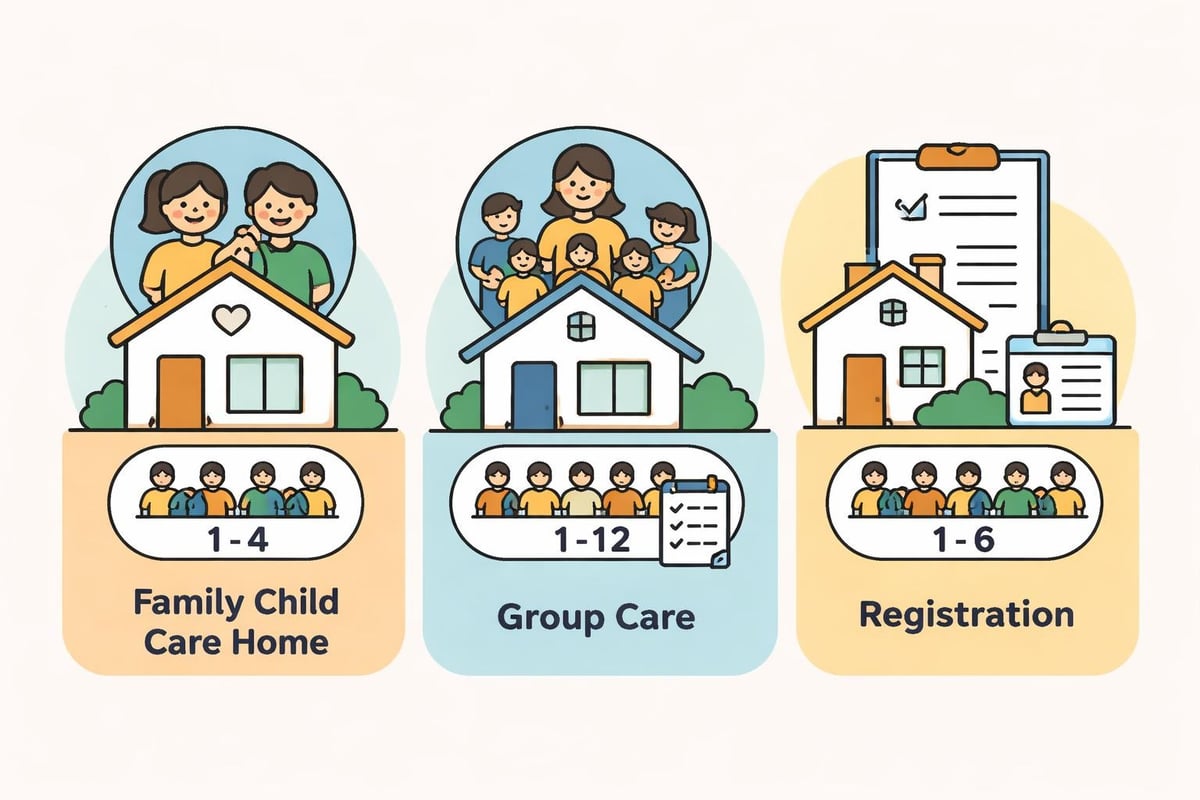
Family Child Care Home License: This standard license allows you to care for a small group of children in your residence. Capacity limits usually range from six to twelve children, depending on their ages and your state's regulations.
Group Family Child Care Home License: Some states offer an expanded license that permits larger groups, often requiring an assistant or additional staff member to maintain proper ratios.
License-Exempt Registration: In certain situations, you may operate under a registration system rather than full licensing, though this typically comes with stricter limitations on the number of children you can serve.
The licensing process and requirements include multiple steps, from initial applications to home inspections and ongoing compliance monitoring.
Educational and Training Qualifications
Educational credentials form a significant component of in home daycare qualifications. While requirements vary considerably by state, most jurisdictions mandate minimum education levels and specialized training.
Minimum Education Requirements
Many states require at least a high school diploma or GED equivalent to qualify for a home daycare license. However, some states have raised their standards, requiring:
- Child Development Associate (CDA) credential
- Associate degree in Early Childhood Education
- Specific coursework in child development
- Minimum number of college credits in related fields
The qualifications for early childhood education continue to evolve as research emphasizes the importance of trained caregivers in supporting children's development.
Mandatory Training Courses
Beyond formal education, providers must complete various training programs before opening their doors:
| Training Category | Typical Requirements | Renewal Period |
|---|---|---|
| CPR and First Aid | Pediatric-specific certification | Every 2 years |
| Health and Safety | 15-30 hours pre-licensing | Varies by state |
| Child Development | 12-20 hours annually | Ongoing |
| Nutrition and Meal Planning | 6-10 hours initial | Every 3 years |
| Recognizing Child Abuse | 3-6 hours initial | Annual updates |
Most states also require annual continuing education hours to maintain your license. These ongoing training requirements ensure providers stay current with best practices in childcare and child development.
Background Checks and Safety Clearances
Ensuring child safety is paramount in the licensing process, which is why comprehensive background screening is a non-negotiable aspect of in home daycare qualifications.
Required Background Screenings
Every adult living in your home, even if they won't be involved in childcare, must typically undergo background checks. This includes:
- Criminal history check: Both state and FBI fingerprint-based checks
- Child abuse and neglect registry: Searches in all states where you've lived
- Sex offender registry: National and state-level searches
- Driving record check: If you plan to transport children
These screenings must be renewed periodically, usually every three to five years, depending on your state's requirements. Any convictions for certain crimes, particularly those involving children or violence, will disqualify you from receiving a license.
Health and Medical Requirements
Your physical and mental health status is another important qualification factor. Most states require:
- Current tuberculosis (TB) test or screening
- Physical examination within the past year
- Proof of immunizations or immunity to certain diseases
- Mental health clearance in some jurisdictions
Anyone assisting you in providing care must also meet these health requirements, creating a safe environment for all children in your program.
Home Environment and Safety Standards
Your physical space must meet extensive safety and environmental standards before you can receive in home daycare qualifications approval. Navigating the rules for your in-home daycare requires careful attention to both indoor and outdoor space requirements.
Indoor Space Requirements
State regulations dictate minimum square footage per child, typically ranging from 35 to 50 square feet of usable play space per child. Your home must include:
- Adequate heating, cooling, and ventilation systems
- Sufficient natural and artificial lighting
- Clean, sanitary bathroom facilities accessible to children
- Safe food preparation and storage areas
- Emergency exits clearly marked and accessible
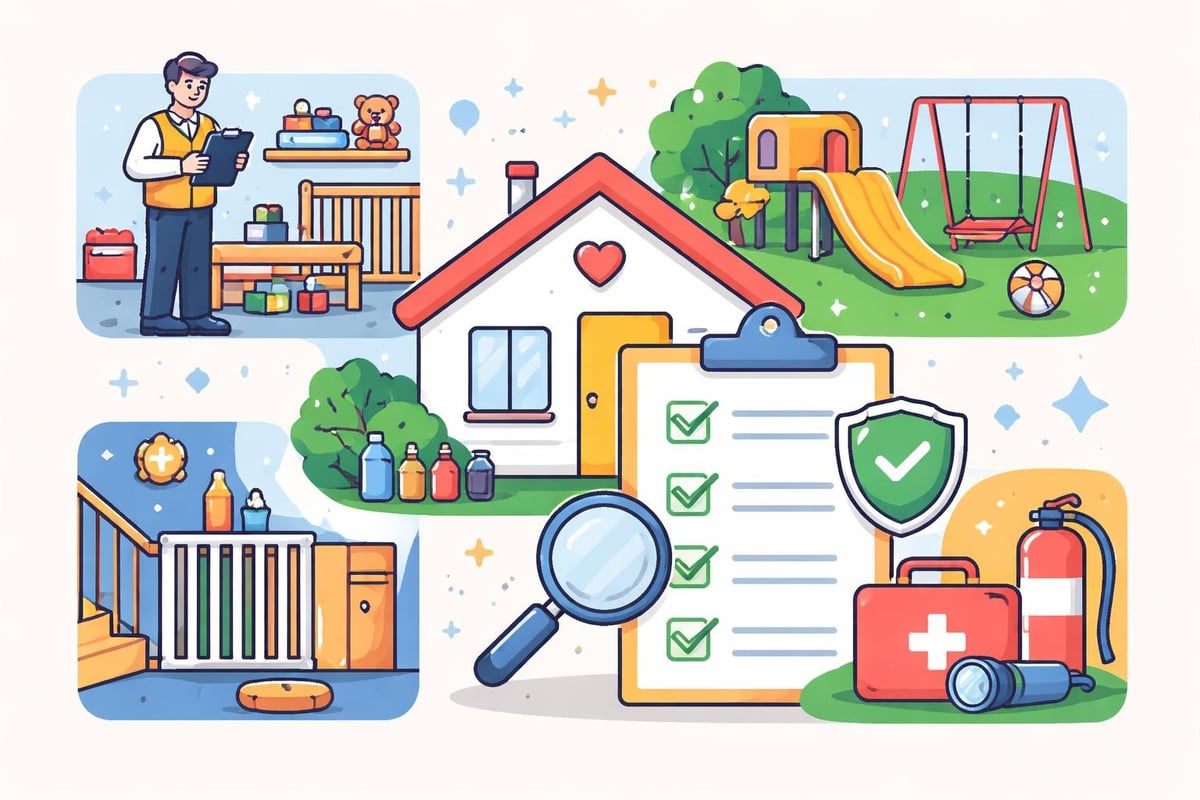
Inspectors will evaluate every room children access, checking for hazards like exposed electrical outlets, peeling paint (particularly in older homes where lead paint may be present), unstable furniture, and accessible cleaning supplies or medications.
Outdoor Play Space Standards
Most states require access to outdoor play areas, though specific requirements vary:
- Minimum square footage per child (typically 75 square feet)
- Secure fencing around the play area
- Age-appropriate, well-maintained equipment
- Shaded areas for sun protection
- Safe, impact-absorbing surfaces under climbing equipment
If your property doesn't have adequate outdoor space, some states allow providers to use nearby parks or playgrounds, though you'll need detailed plans for how you'll safely transport and supervise children during outdoor time.
Child-to-Staff Ratios and Capacity Limits
Understanding and maintaining proper child-to-staff ratios is crucial for both licensing compliance and providing quality care. These ratios are fundamental in home daycare qualifications because they directly impact child safety and development.
Age-Based Ratio Requirements
Ratios vary significantly based on children's ages, with younger children requiring more intensive supervision:
| Child Age Group | Typical Ratio | Maximum Group Size |
|---|---|---|
| Infants (0-12 months) | 1:3 or 1:4 | 6-8 children |
| Toddlers (12-36 months) | 1:4 or 1:5 | 8-10 children |
| Preschool (3-5 years) | 1:6 to 1:10 | 10-12 children |
| School-age (6+ years) | 1:10 to 1:15 | 12-15 children |
When caring for mixed age groups, you must follow the ratio for the youngest child in care. For instance, if you have one infant and five preschoolers, the infant ratio applies to your entire group.
Capacity Calculations
Your total capacity depends on several factors:
- Square footage of your home
- Number of assistants or helpers
- Ages of children enrolled
- Whether your own children are present during care hours
Many providers find that maintaining a smaller group allows for higher quality interactions and a more manageable environment, even when their license permits larger numbers. Home-based childcare often thrives on the intimate, family-like atmosphere that smaller groups facilitate.
Documentation and Record-Keeping Requirements
Meticulous documentation is an often-overlooked but critical component of in home daycare qualifications. Providers must establish and maintain comprehensive record-keeping systems from day one.
Required Child Records
For each enrolled child, you must maintain current files containing:
- Completed enrollment and emergency contact forms
- Current immunization records or exemptions
- Physician's statement of health examination
- Parental authorization forms for medical treatment
- Allergy and medication information
- Daily attendance logs
- Incident and accident reports
These records must be stored securely but remain accessible for parent review and licensing inspections. Most states require specific retention periods, often three to seven years after a child leaves your program.
Program Documentation
Beyond individual child records, you'll need operational documentation including:
- Written policies and procedures handbook
- Emergency evacuation and disaster plans
- Daily schedules and activity plans
- Staff training certificates and personnel files
- Health and safety inspection reports
- Fire drill logs and safety training documentation
Staying organized with these requirements prevents licensing violations and demonstrates your professionalism to families considering your program. Many successful providers now use digital systems to streamline their documentation processes.
Insurance and Business Requirements
Operating a home daycare is running a business, which means meeting various insurance and business-related in home daycare qualifications beyond the educational and safety requirements.
Essential Insurance Coverage
General Liability Insurance: This coverage protects you if a child is injured while in your care or if property damage occurs. Most states require minimum coverage amounts, typically starting at $300,000 per occurrence.
Professional Liability Insurance: Also called errors and omissions insurance, this protects against claims of negligence or failure to provide adequate supervision.
Property Insurance: If you own your home, verify that your homeowner's policy covers business use, or obtain a rider specifically for your daycare operation.
Vehicle Insurance: If transporting children, you need commercial auto insurance with appropriate passenger coverage limits.
Business Licensing and Permits
Beyond your childcare license, you may need:
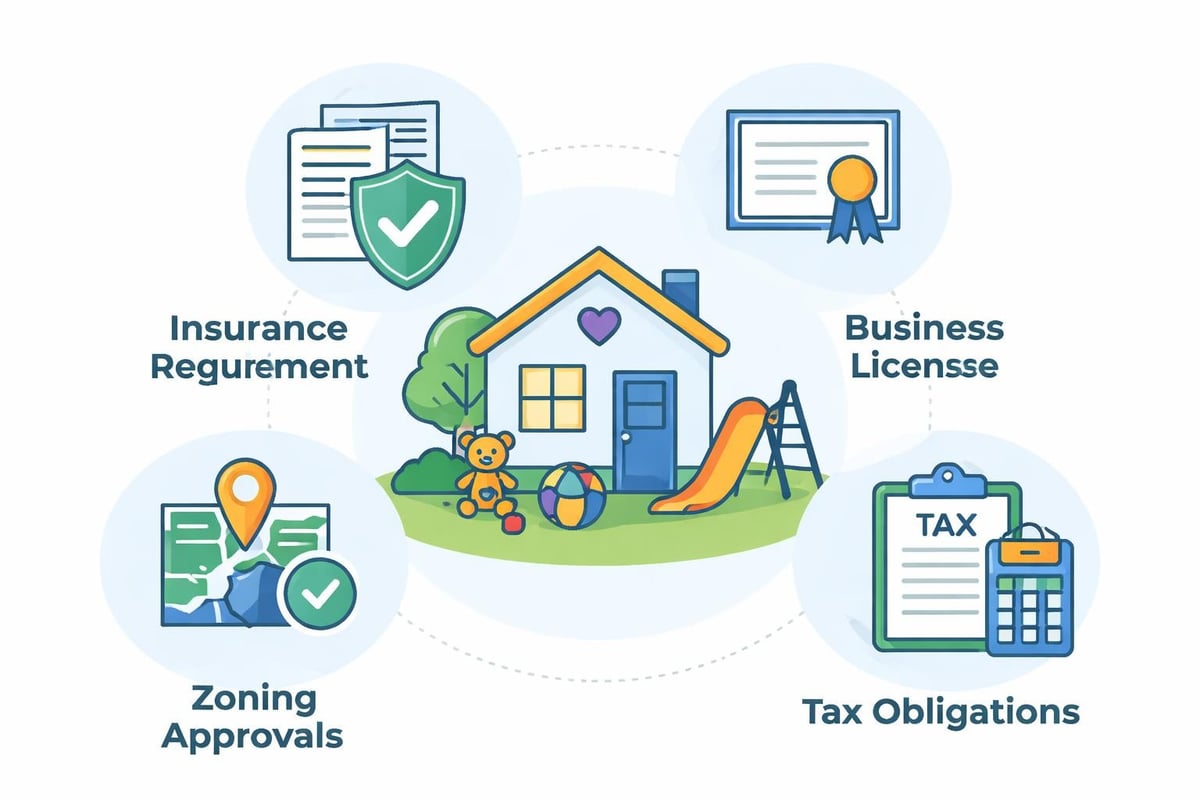
- Business license from your city or county
- Zoning approval to operate a business from your residence
- Food handler's permit if preparing meals
- Tax identification number (EIN) from the IRS
Understanding whether you need a license to run a daycare from home in your specific situation helps you avoid operating outside legal boundaries.
Nutrition and Food Safety Standards
Providing meals and snacks to children brings additional qualification requirements related to food safety and nutrition. These standards ensure children receive healthy, safely prepared food throughout their day in your care.
Meal Program Requirements
If you participate in the Child and Adult Care Food Program (CACFP), which provides reimbursement for meals served to enrolled children, you must:
- Follow specific meal pattern requirements
- Keep detailed meal service records
- Track attendance during meal times
- Store food at proper temperatures
- Maintain cleanliness in food preparation areas
Even if you don't participate in CACFP, state regulations typically mandate nutritional guidelines and safe food handling practices.
Kitchen and Storage Standards
Your kitchen must meet health department standards including:
- Proper refrigeration and freezer temperatures (monitored regularly)
- Safe food storage preventing contamination
- Separate storage for cleaning supplies
- Adequate handwashing facilities
- Proper dishwashing and sanitizing procedures
Regular health inspections verify your compliance with these food safety requirements. Maintaining a clean, organized kitchen prevents violations and protects children's health.
Ongoing Compliance and Quality Improvement
Obtaining your initial license is just the beginning. Maintaining in home daycare qualifications requires continuous effort and commitment to quality improvement.
Regular Inspections and Monitoring
Licensing agencies conduct periodic inspections to verify ongoing compliance. These visits typically occur:
- Annually for routine licensing renewal
- Unannounced for spot-check compliance
- Following complaints or reported concerns
- After significant changes to your program
During inspections, evaluators review everything from record-keeping to physical safety, staff qualifications to child interactions. Preparing thoroughly and maintaining consistent standards year-round ensures smoother inspection experiences.
Professional Development Opportunities
The best providers view qualifications as minimum standards rather than ultimate goals. Pursuing additional credentials and training demonstrates your commitment to excellence:
- Advanced certifications in specialized areas (infant care, special needs, etc.)
- Membership in professional associations like the National Association for Family Child Care
- Participation in Quality Rating and Improvement Systems (QRIS)
- Continuing education beyond state minimums
Families searching for in-home childcare increasingly prioritize providers who invest in their professional growth and demonstrate dedication to best practices in early childhood education.
State-Specific Variations in Requirements
While this guide covers common qualifications across most states, it's essential to recognize that requirements vary significantly by location. State-specific daycare licensing requirements provide detailed information for your particular jurisdiction.
Some states have relatively minimal requirements, allowing providers to start quickly with basic safety and health standards. Other states mandate extensive pre-service training, specific educational credentials, and rigorous ongoing oversight. Urban areas may have additional local requirements beyond state mandates.
Before investing time and resources into starting your home daycare, thoroughly research your state's specific requirements. Contact your state's childcare licensing office directly to obtain current application materials, fee schedules, and detailed qualification checklists. Regulations change periodically, so verifying current requirements prevents frustrating delays or unexpected obstacles.
Your state may also offer orientation sessions for prospective providers, walking you through the application process and explaining what evaluators look for during home inspections. Taking advantage of these resources helps you prepare more effectively and increases your likelihood of approval on the first attempt.
Cost Considerations for Meeting Qualifications
Meeting all in home daycare qualifications involves various expenses that prospective providers should budget for carefully. Understanding these costs helps you plan financially and ensures you're prepared for the investment required.
Initial Licensing Costs:
- Application fees: $50-$300 depending on state
- Background check fees: $30-$100 per adult
- Initial training courses: $200-$800
- CPR and First Aid certification: $50-$150
- Home modifications for safety compliance: $500-$5,000+
- Insurance down payments: $500-$2,000
Ongoing Annual Costs:
- License renewal fees: $50-$250
- Continuing education: $200-$500
- Insurance premiums: $1,000-$3,000
- Updated health screenings: $100-$300
- Safety equipment replacement: $200-$500
While these costs may seem substantial, many providers find that their childcare income quickly offsets the initial investment. Some states offer grants or fee waivers for providers in underserved areas, and many expenses are tax-deductible business costs. Planning for these expenditures from the start prevents financial stress as you work through the qualification process.
Creating a detailed budget and timeline helps you pace your progress through the licensing requirements without overwhelming your resources. Some providers complete all requirements within a few months, while others take a year or more to prepare their homes, complete training, and secure all necessary approvals.
Meeting in home daycare qualifications requires dedication, planning, and investment, but the rewards of providing quality care in a nurturing home environment make the effort worthwhile. By understanding licensing requirements, completing necessary training, ensuring safety compliance, and maintaining professional standards, you'll build a successful childcare business that serves families and children in your community. If you're looking for a trusted provider who meets all professional standards and creates a warm, educational environment, Step by Step Care offers experienced, qualified home-based childcare that puts your child's development and safety first. Contact us today to learn more about our program and schedule a visit.


