

Childcare and Early Education: A Complete Guide
The foundation for lifelong learning begins long before children enter traditional school settings. Quality childcare and early education programs shape cognitive abilities, social skills, and emotional development during the most critical years of brain growth. For families seeking the right environment for their children, understanding what makes an exceptional early learning experience can transform how you approach this important decision. Research consistently demonstrates that children who participate in high-quality early education programs show better outcomes in language development, problem-solving abilities, and social interactions throughout their academic careers.
Understanding the Importance of Early Learning Environments
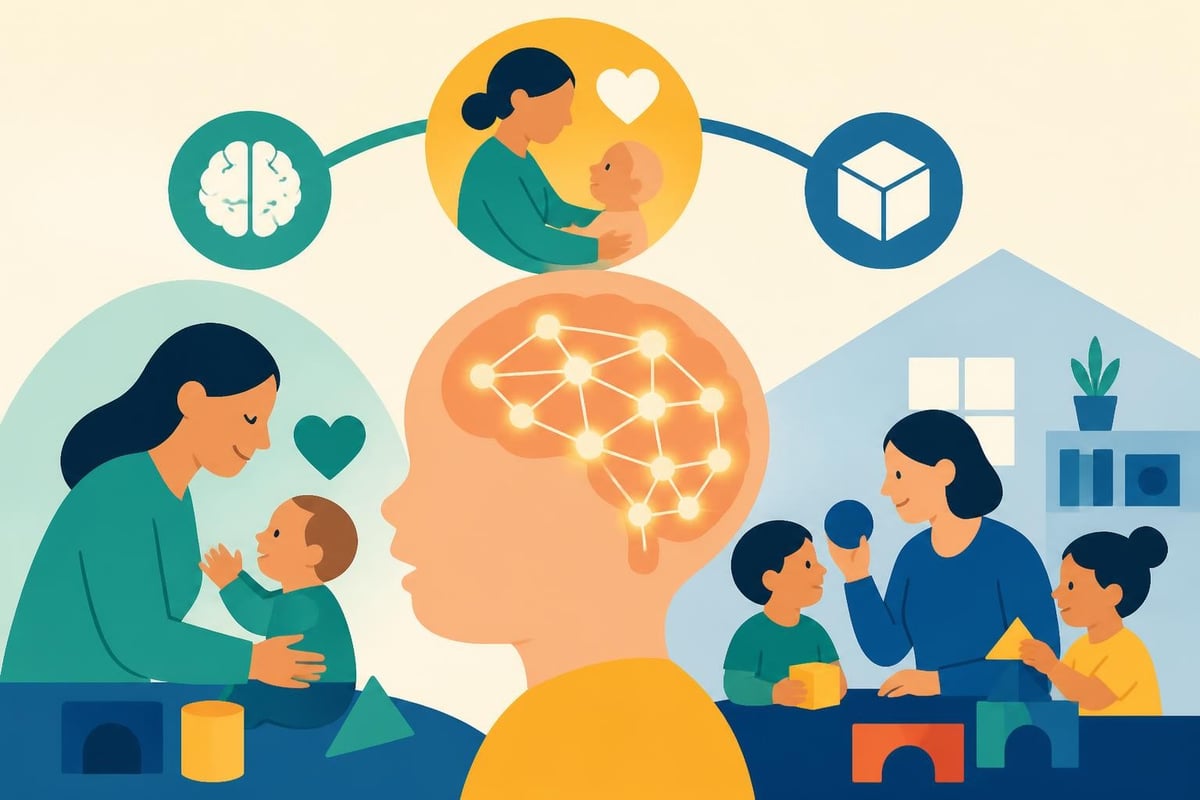
Young children learn through every interaction, making the quality of their daily environment crucial for development. The CDC emphasizes the vital role of early care and education providers in establishing healthy habits and supporting developmental milestones. During the first five years of life, children's brains form more than one million neural connections every second, creating the architecture for all future learning.
Why the Early Years Matter Most
Brain development research reveals that 90% of brain growth occurs before age five. This rapid development period creates unique opportunities for learning that never occur again with the same intensity. Quality childcare and early education programs leverage this developmental window by providing:
- Structured learning activities that build cognitive skills
- Social interaction opportunities with peers and caring adults
- Language-rich environments that expand vocabulary and communication
- Safe exploration spaces that encourage curiosity and discovery
- Consistent routines that create security and predictability
Children who attend quality programs develop stronger executive function skills, including attention control, working memory, and cognitive flexibility. These foundational abilities predict academic success more reliably than early reading or math skills alone.
The Home Childcare Advantage
Home-based childcare settings offer unique benefits that larger institutional centers cannot replicate. Smaller group sizes allow providers to tailor activities to individual developmental needs while maintaining the comfort of a residential environment. Children in home childcare settings often experience:
- Lower child-to-provider ratios enabling personalized attention
- Mixed-age groupings that foster peer mentoring
- Flexible scheduling that accommodates family needs
- Consistent caregiver relationships that build secure attachments
- Home-like atmospheres that reduce separation anxiety
Research indicates that consistent, nurturing relationships with caregivers significantly impact children's emotional regulation and social competence. The intimate setting of home childcare naturally supports these crucial relationships.
Key Components of Quality Early Education Programs
Not all childcare and early education programs provide the same developmental benefits. Understanding quality indicators helps families make informed decisions that support their children's growth.
Curriculum and Learning Approach
Effective early education programs balance structured learning with child-directed play. The curriculum should address multiple developmental domains simultaneously rather than focusing exclusively on academic preparation. Quality programs incorporate:
| Developmental Domain | Learning Activities | Expected Outcomes |
|---|---|---|
| Cognitive Development | Puzzles, sorting games, problem-solving tasks | Enhanced reasoning, memory, attention span |
| Language & Literacy | Story time, conversations, singing, rhyming | Expanded vocabulary, phonological awareness |
| Social-Emotional | Cooperative play, emotion recognition, conflict resolution | Self-regulation, empathy, relationship skills |
| Physical Development | Gross motor play, fine motor activities, outdoor time | Coordination, strength, body awareness |
| Creative Expression | Art projects, music, dramatic play, building | Imagination, innovation, self-expression |
The best programs recognize that play is children's primary learning mechanism. Through carefully designed play experiences, children develop critical thinking, creativity, and collaboration skills that traditional instruction cannot replicate.
Health and Safety Standards
Ensuring children's physical wellbeing forms the foundation of any quality program. State licensing regulations establish minimum standards for health and safety practices, but exceptional programs exceed these requirements. Critical safety considerations include:
- Environmental safety: Childproofed spaces, secure outdoor areas, age-appropriate equipment
- Health practices: Illness policies, immunization requirements, hand-washing protocols
- Nutrition standards: Balanced meals and snacks meeting dietary guidelines
- Emergency preparedness: Evacuation plans, first aid supplies, provider CPR certification
- Supervision protocols: Constant visual monitoring, appropriate group sizes
The CDC provides comprehensive safety guidelines that help providers maintain environments where children can explore without unnecessary risk. Families should observe how providers balance safety with opportunities for age-appropriate risk-taking that builds confidence and competence.
Family Engagement and Partnership
The relationship between childcare providers and families significantly influences program effectiveness. Children thrive when adults in their lives communicate consistently and share common goals for development.
Communication Strategies That Work
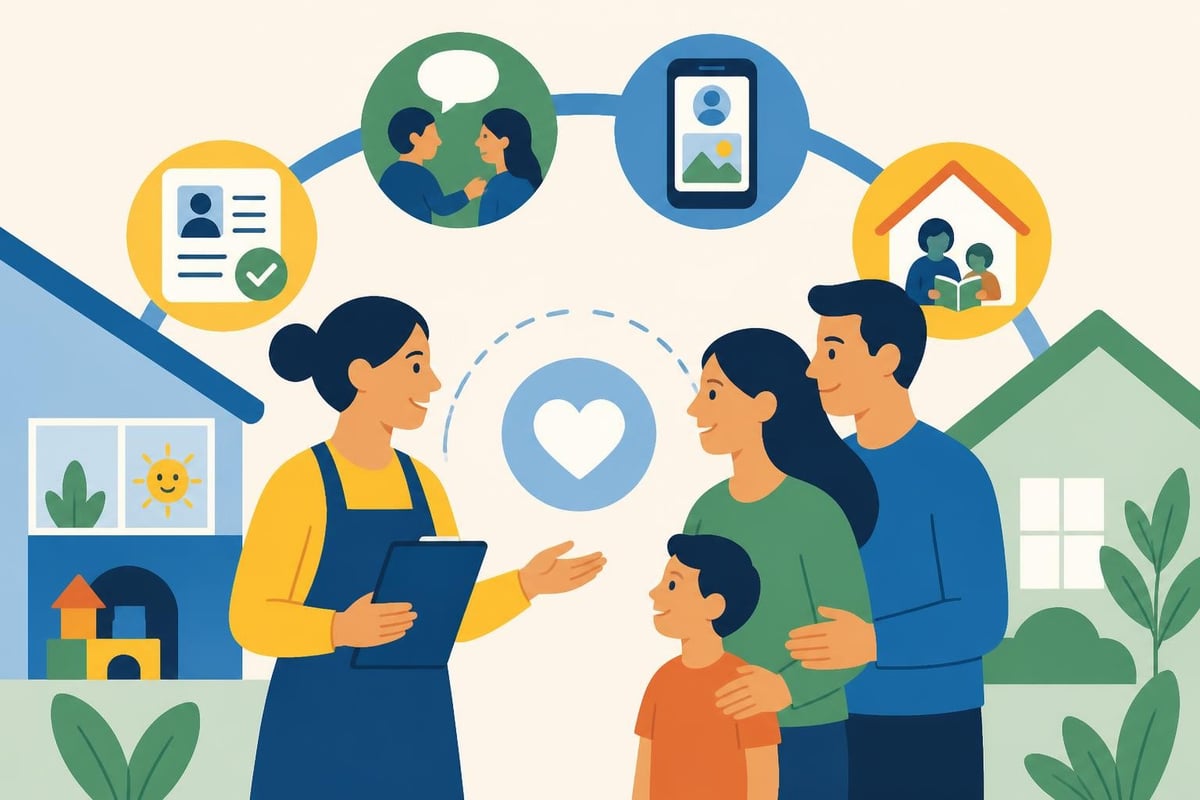
Successful childcare and early education programs establish multiple communication channels to keep families informed and involved. Daily updates about activities, meals, and developmental observations help parents understand their child's experiences. Effective communication includes:
- Daily reports documenting activities, meals, naps, and notable moments
- Regular conferences discussing developmental progress and goals
- Digital updates sharing photos and videos of learning activities
- Open-door policies welcoming family visits and observations
- Parent education resources supporting learning at home
Positive parenting and family engagement strategies strengthen the connection between home and care settings, creating consistency that benefits children's development.
Supporting Diverse Family Needs
Modern families have varied schedules, values, and circumstances that quality programs must accommodate. Flexibility and cultural responsiveness distinguish exceptional providers from adequate ones. Programs should demonstrate:
- Schedule flexibility for families with non-traditional work hours
- Cultural awareness respecting diverse traditions, languages, and practices
- Individualized approaches recognizing each child's unique needs
- Resource connections linking families to community support services
- Inclusive practices welcoming children with special needs
Providers who view themselves as partners with families rather than experts create collaborative relationships that support children more effectively. This partnership approach particularly benefits home-based settings where providers can adapt to family preferences more readily than larger institutions.
Developmental Milestones and Age-Appropriate Practices
Understanding typical developmental progression helps providers and families support children appropriately. Quality childcare and early education programs design activities matching children's current abilities while gently encouraging advancement.
Infant Development Focus
The first year of life establishes crucial foundations for all future learning. Infant programs should prioritize:
- Responsive caregiving that builds secure attachments
- Sensory experiences stimulating sight, sound, touch, taste, and movement
- Language exposure through talking, singing, and reading
- Tummy time and movement supporting gross motor development
- Predictable routines creating security and trust
Families seeking infant care programs should observe how providers respond to babies' cues and whether the environment supports both calm rest and active exploration.
Toddler Learning Environments
Between ages one and three, children become increasingly independent while still requiring substantial support. Toddler programs balance autonomy with appropriate limits:
- Safe exploration spaces encouraging movement and discovery
- Language-rich interactions expanding vocabulary rapidly
- Beginning self-help skills like feeding, washing, and toileting
- Social skill development learning to play alongside peers
- Emotional regulation support helping manage big feelings
Quality toddler environments acknowledge the developmental contradiction of wanting independence while needing security, providing freedom within safe boundaries.
Preschool Preparation
Three- to five-year-olds develop rapidly in all domains, preparing for the structured learning of kindergarten. Effective preschool programs in Springfield VA and elsewhere emphasize:
| Skill Area | Key Activities | Kindergarten Readiness |
|---|---|---|
| Pre-literacy | Letter recognition, print awareness, storytelling | Reading foundation |
| Pre-math | Counting, patterns, shapes, measurement | Number sense |
| Social skills | Cooperation, sharing, conversation, empathy | Classroom behavior |
| Independence | Self-care, following directions, task completion | School routines |
| Curiosity | Questioning, investigating, experimenting | Learning motivation |
The goal isn't academic acceleration but rather building the foundational skills and attitudes that make formal education successful and enjoyable.
Choosing the Right Program for Your Family
Selecting childcare and early education involves balancing multiple factors including quality, convenience, cost, and personal preferences. Families should approach this decision systematically rather than choosing based solely on availability or price.
Evaluation Criteria
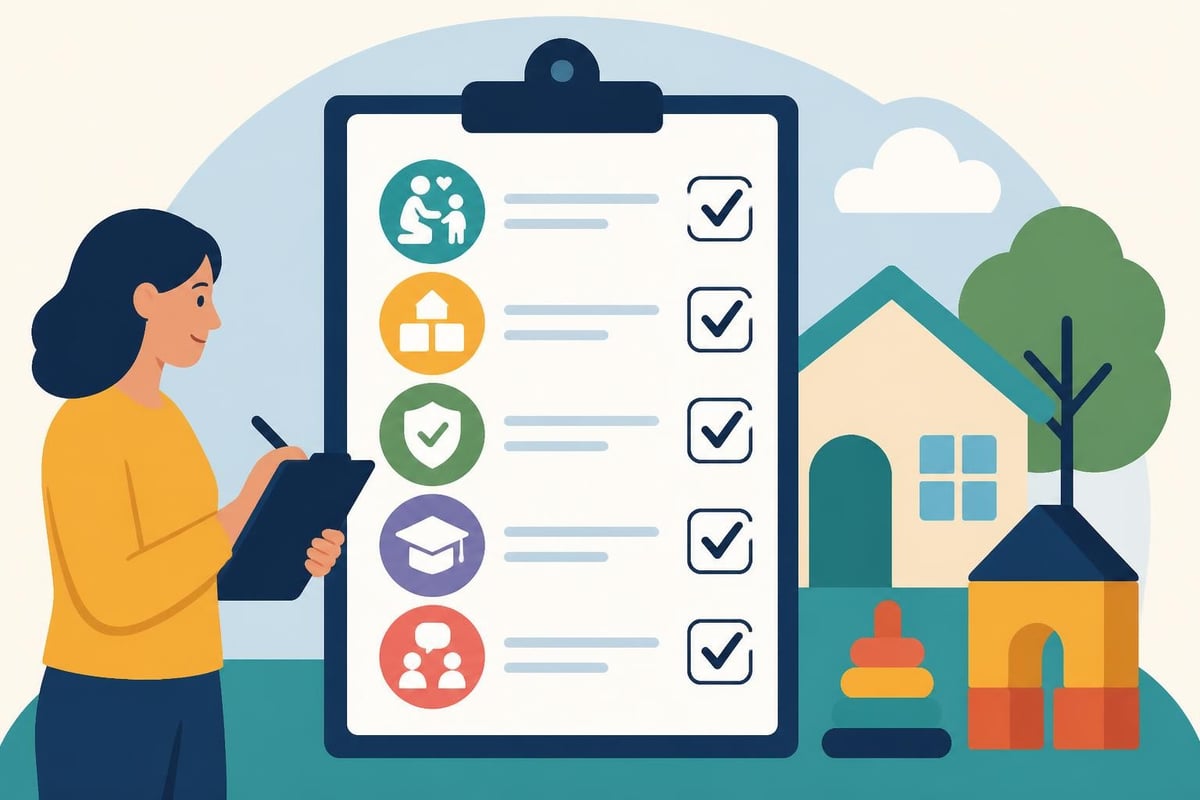
When visiting potential programs, observe how children interact with providers and each other. Happy, engaged children signal quality care. Key evaluation questions include:
- How do providers respond when children need comfort or help?
- What activities fill the daily schedule?
- How clean and organized are the spaces?
- What qualifications and training do providers possess?
- How do providers communicate with families?
Trust your instincts during visits. If something feels wrong despite checking all boxes, continue searching. The National Resource Center for Health and Safety in Child Care provides comprehensive standards that can guide your evaluation.
Home-Based vs. Center-Based Care
Both options offer advantages depending on family priorities. Home childcare typically provides:
- Smaller groups with more individual attention
- Flexible scheduling and personalized care
- Lower costs than commercial centers
- Consistent caregiver relationships
- Home-like comfort and familiarity
Families interested in daycare home providers appreciate the intimate setting and individualized approach that home environments naturally support.
Center-based programs may offer:
- More structured curricula and specialized resources
- Multiple staff members providing varied perspectives
- Separate age-group classrooms
- Professional oversight and accountability systems
- More extensive facilities and equipment
Neither option is inherently superior-the right choice depends on your child's temperament, your family's needs, and the specific quality of available programs.
The Role of Play in Learning
Modern early education recognizes that play isn't frivolous but rather the primary mechanism through which young children learn. Quality childcare and early education programs design play experiences that build specific skills while maintaining children's natural joy and curiosity.
Types of Meaningful Play
Effective programs incorporate diverse play types throughout the day:
Physical play develops gross and fine motor skills while releasing energy and building body awareness. Climbing, running, dancing, and manipulating small objects all contribute to physical competence.
Pretend play builds abstract thinking, language skills, and social understanding. When children role-play scenarios, they practice perspective-taking and narrative skills essential for literacy.
Constructive play with blocks, art materials, and building toys develops spatial reasoning, planning abilities, and creative problem-solving.
Games with rules teach children to follow instructions, take turns, and manage winning and losing gracefully-all crucial social competencies.
Balancing Structure and Freedom
The best programs provide both teacher-guided activities and child-initiated play. This balance ensures children learn specific skills while maintaining intrinsic motivation and creativity. A typical day might include:
- Morning circle time building community and introducing themes
- Free play centers allowing choice and exploration
- Outdoor time for physical activity and nature connection
- Small group activities targeting specific skills
- Creative arts enabling self-expression
- Story time and music developing literacy and rhythm
- Snack and meal times teaching nutrition and social skills
This rhythm provides predictability while offering varied experiences that engage different learning styles and developmental needs.
Supporting Children's Social-Emotional Development
Academic skills matter, but social-emotional competence predicts life success even more reliably. Quality childcare and early education programs intentionally teach children to understand emotions, manage behavior, and build positive relationships.
Building Emotional Intelligence
Young children need explicit help recognizing and naming feelings. Providers support emotional development by:
- Labeling emotions during daily interactions
- Reading books about feelings and relationships
- Modeling emotional regulation when providers feel frustrated
- Creating calm-down spaces with comfort items
- Acknowledging feelings before redirecting behavior
Children who develop emotional vocabulary and regulation strategies show better classroom behavior, fewer behavior problems, and stronger peer relationships throughout childhood.
Fostering Positive Peer Relationships
Learning to play cooperatively doesn't come naturally-it requires consistent guidance and practice. Providers facilitate social skill development through:
- Teaching specific skills like sharing, taking turns, asking to join play
- Coaching during conflicts rather than immediately solving problems
- Creating cooperative activities requiring teamwork
- Recognizing prosocial behavior to reinforce kindness and empathy
- Using diverse friendship groupings during activities
The Early Childhood Technical Assistance Center offers research-based resources supporting social-emotional learning in early education settings.
Health and Nutrition in Early Care Settings
Physical health profoundly affects learning capacity and development. Comprehensive childcare and early education programs address nutrition, physical activity, and health practices as essential components of quality care.
Nutrition Standards and Practices
Growing bodies and brains require balanced nutrition throughout the day. Quality programs provide:
| Meal Component | Quality Standards | Developmental Benefits |
|---|---|---|
| Fruits & Vegetables | Multiple servings daily, variety of colors | Vitamins, minerals, healthy eating habits |
| Whole Grains | Primary grain source | Sustained energy, fiber, B vitamins |
| Protein Foods | Varied sources including beans, meat, eggs | Growth, muscle development, satiation |
| Dairy | Age-appropriate milk, yogurt, cheese | Calcium, vitamin D, bone development |
| Limited Sugar | Minimal processed foods, natural sweeteners | Stable energy, cavity prevention |
Meal times also provide learning opportunities for conversation skills, cultural awareness through diverse foods, and independence through self-feeding.
Physical Activity Guidelines
Active play supports motor skill development, fitness, obesity prevention, and stress reduction. Programs should provide:
- 60+ minutes daily of active play opportunities
- Both structured and free play movement activities
- Indoor and outdoor options for all weather conditions
- Age-appropriate equipment supporting skill development
- Reduced screen time prioritizing active engagement
Physical activity during early childhood establishes patterns and attitudes toward movement that influence lifelong health. Providers who prioritize active play contribute to children's immediate wellbeing and future fitness.
Provider Qualifications and Professional Development
The quality of childcare and early education ultimately depends on the knowledge, skills, and commitment of providers themselves. Understanding provider qualifications helps families assess program quality.
Educational Background and Training
While requirements vary by state and setting, quality providers typically possess:
- Early childhood education coursework or related degrees
- Child development knowledge understanding typical progression and variations
- Health and safety certifications including CPR and first aid
- Ongoing professional development staying current with best practices
- Specialized training for children with special needs or dual language learners
Home-based providers may have less formal education than center teachers but often bring deep experience and personal commitment to children's wellbeing. Both educational credentials and practical experience contribute to quality care.
Continuous Learning and Improvement
Exceptional providers view themselves as perpetual learners, continuously refining practices based on new research and individual children's needs. Resources from CDC and other organizations support ongoing professional growth, helping providers implement evidence-based practices in health, nutrition, and early learning.
Quality programs encourage providers to:
- Participate in workshops and conferences learning new strategies
- Observe other programs gaining fresh perspectives
- Reflect on daily practices identifying improvement opportunities
- Seek mentorship and consultation when facing challenges
- Stay informed about research in child development and education
This commitment to continuous improvement distinguishes adequate care from exceptional early education experiences.
Cultural Responsiveness and Inclusion
Children and families bring diverse backgrounds, languages, abilities, and values to early care settings. Quality childcare and early education programs welcome this diversity and create environments where all children feel valued and supported.
Respecting Cultural Differences
Culturally responsive programs:
- Incorporate diverse materials showing various cultures, family structures, and abilities
- Honor home languages supporting bilingual development
- Respect different parenting practices within safety parameters
- Celebrate various traditions throughout the year
- Avoid stereotypes presenting authentic, complex representations
When children see their own experiences reflected in books, toys, and discussions, they develop positive self-identity and feel genuine belonging in the care setting.
Supporting Children with Special Needs
Inclusive programs welcome children with developmental delays, disabilities, and special health needs. Quality inclusion involves:
- Individualized accommodations supporting each child's participation
- Collaboration with specialists implementing therapeutic strategies
- Modified activities ensuring access for all abilities
- Peer education building acceptance and understanding
- Family partnerships coordinating care across settings
Inclusion benefits all children, teaching empathy, patience, and appreciation for human diversity while providing children with special needs opportunities for social learning and community participation.
Technology and Screen Time Considerations
In 2026, technology pervades daily life, raising questions about appropriate screen exposure for young children. Quality childcare and early education programs approach technology thoughtfully, balancing potential benefits against developmental needs.
Screen Time Guidelines
Leading child development organizations recommend:
- No screens for children under 18 months except video chatting with family
- Limited, high-quality content for children 18-24 months, co-viewed with adults
- Maximum one hour daily of quality programming for ages 2-5
- No background television during play time
- Screen-free meals supporting conversation and social connection
Young children learn most effectively through hands-on exploration and human interaction. Screens should never replace active play, creative activities, or social engagement.
Beneficial Technology Use
When used judiciously, technology can enhance learning through:
- Video calls connecting children with distant family members
- Digital documentation sharing learning moments with families
- Interactive stories supporting literacy development
- Creative tools enabling music composition or digital art
- Virtual field trips exploring places children cannot physically visit
The key is ensuring technology serves educational goals and complements rather than replaces traditional early learning activities.
Building Community Connections
Quality childcare and early education programs don't exist in isolation but rather connect with broader community resources supporting families and children's development.
Partnerships and Resources
Effective programs maintain relationships with:
- Health providers offering screenings and consultations
- Special education services supporting early intervention
- Public libraries extending literacy resources
- Parks and recreation providing activity opportunities
- Family support organizations connecting parents with resources
- Local businesses enriching experiences through community involvement
These connections extend the program's capacity to support whole-child development and address family needs beyond childcare hours.
Strengthening Communities
High-quality early education strengthens entire communities by:
- Supporting working families enabling employment and career development
- Preventing future costs through early intervention and school readiness
- Building social capital connecting families with similar-aged children
- Promoting public health through nutrition and activity standards
- Creating economic opportunity providing employment for care providers
Investing in childcare and early education generates returns far exceeding initial costs, benefiting individual children, families, and society broadly.
Quality childcare and early education during the critical first five years establishes foundations that influence children's entire lives, making program selection one of the most important decisions families make. The research consistently demonstrates that responsive relationships, developmentally appropriate activities, and safe, nurturing environments support optimal growth across all developmental domains. At Step by Step Care, we understand the profound responsibility of caring for young children during these formative years, providing home-based childcare that combines professional expertise with the warmth and individualized attention that helps each child thrive. Contact us today to learn how our program can support your family's early education needs.


