

Education and Care: Building Strong Foundations at Home
The integration of education and care represents one of the most critical aspects of early childhood development. Parents seeking home childcare options in 2026 understand that quality programs go far beyond simple supervision. They look for environments where learning happens naturally throughout the day, embedded in caring relationships and developmentally appropriate activities. This holistic approach recognizes that young children learn best when they feel safe, supported, and emotionally connected to their caregivers.
The Foundation of Quality Education and Care
Modern early childhood development research has fundamentally changed how we understand the relationship between nurturing and learning. These two elements are inseparable during the crucial first years of life.
Why Integration Matters
When providers seamlessly blend educational activities with responsive caregiving, children develop stronger cognitive, social, and emotional skills. The CDC’s Early Care and Education overview emphasizes how quality programs promote overall health and well-being while supporting developmental milestones.
Key benefits include:
- Enhanced brain development during critical growth periods
- Stronger attachment and emotional security
- Better preparation for future academic success
- Improved social skills and peer relationships
- Foundation for lifelong learning habits
Home-based childcare settings offer unique advantages for this integrated approach. The smaller group sizes and family-like atmosphere create ideal conditions for personalized attention and responsive interactions.
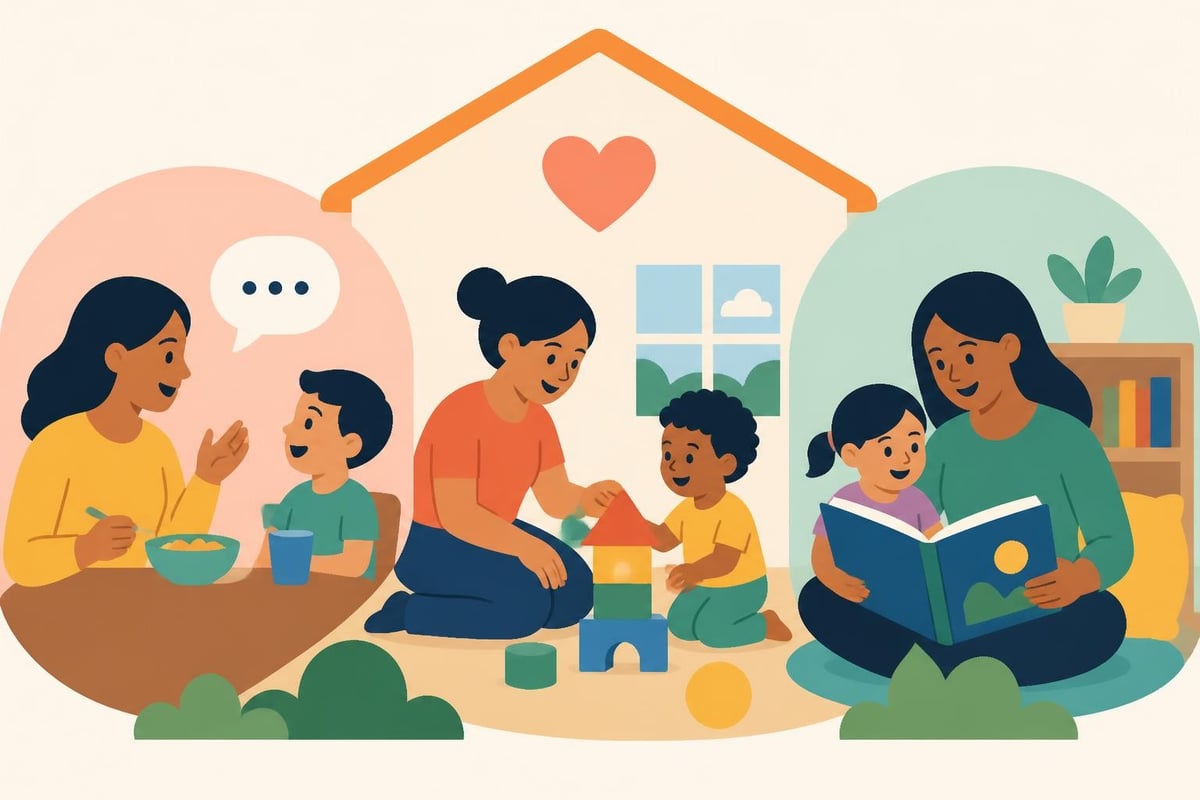
Building Blocks of Developmental Learning
Education and care in home settings happens through intentional planning combined with spontaneous learning opportunities. Effective providers understand that every interaction represents a teaching moment.
Structured Learning Within Caring Routines
The most effective programs establish consistent daily rhythms that provide security while incorporating rich learning experiences. Morning arrival time becomes an opportunity for social-emotional development as children practice greetings and transitions. Snack time transforms into lessons about nutrition, sharing, and conversation skills.
Consider how different daily activities support multiple developmental domains simultaneously:
| Activity | Educational Component | Care Component | Skills Developed |
|---|---|---|---|
| Circle Time | Language, literacy, math concepts | Belonging, community building | Communication, attention, social skills |
| Outdoor Play | Science exploration, gross motor | Safety monitoring, encouragement | Physical coordination, problem-solving |
| Art Projects | Creativity, fine motor skills | Emotional expression, validation | Self-confidence, artistic ability |
| Meal Preparation | Math, sequencing, nutrition | Nurturing, family connection | Independence, healthy habits |
This integration ensures that children receive comprehensive support while engaged in meaningful, age-appropriate activities. Infant education programs specifically focus on these early learning foundations within secure caregiving relationships.
Responsive Caregiving as Education
The quality of caregiver-child interactions directly impacts learning outcomes. Responsive caregiving means observing children carefully, interpreting their cues accurately, and responding promptly and appropriately. This approach supports secure attachment while creating optimal conditions for cognitive development.
Providers demonstrate responsiveness through:
- Observing individual interests and readiness for new challenges
- Following children's lead during play and exploration
- Providing scaffolding that extends learning without frustration
- Offering comfort and support during difficult moments
- Celebrating achievements and encouraging persistence
Family Partnerships in Education and Care
Successful programs recognize that parents are children's first and most important teachers. The CDC emphasizes positive parenting and family engagement as essential components of quality early childhood programs.
Communication Strategies
Home childcare providers build strong partnerships through regular, meaningful communication. Daily reports share not just what children did, but how they engaged, what they learned, and moments of growth or challenge.
Effective communication includes:
- Morning check-ins about overnight routines or recent changes
- Photo documentation of learning moments throughout the day
- Detailed daily summaries highlighting developmental observations
- Regular conferences to discuss progress and set goals
- Resource sharing to support learning at home
This two-way dialogue ensures consistency between home and care settings, reinforcing learning and supporting healthy development. Families appreciate when providers recognize their knowledge of their child and incorporate their insights into daily planning.
Extending Learning Beyond Care Hours
Quality education and care doesn't stop when parents pick up their children. Thoughtful providers suggest activities, share book recommendations, and offer guidance that helps families continue supporting development at home. This extension creates continuity and maximizes learning opportunities throughout children's waking hours.
Developmental Milestones and Individualized Support
Every child develops at their own pace, following unique timelines while progressing through predictable sequences. Effective education and care programs honor this individuality while ensuring all children receive appropriate stimulation and support.
Assessment Through Observation
Rather than formal testing, home childcare providers gather information through careful observation during natural activities. These ongoing assessments inform curriculum planning and help identify when children need additional support or greater challenges.
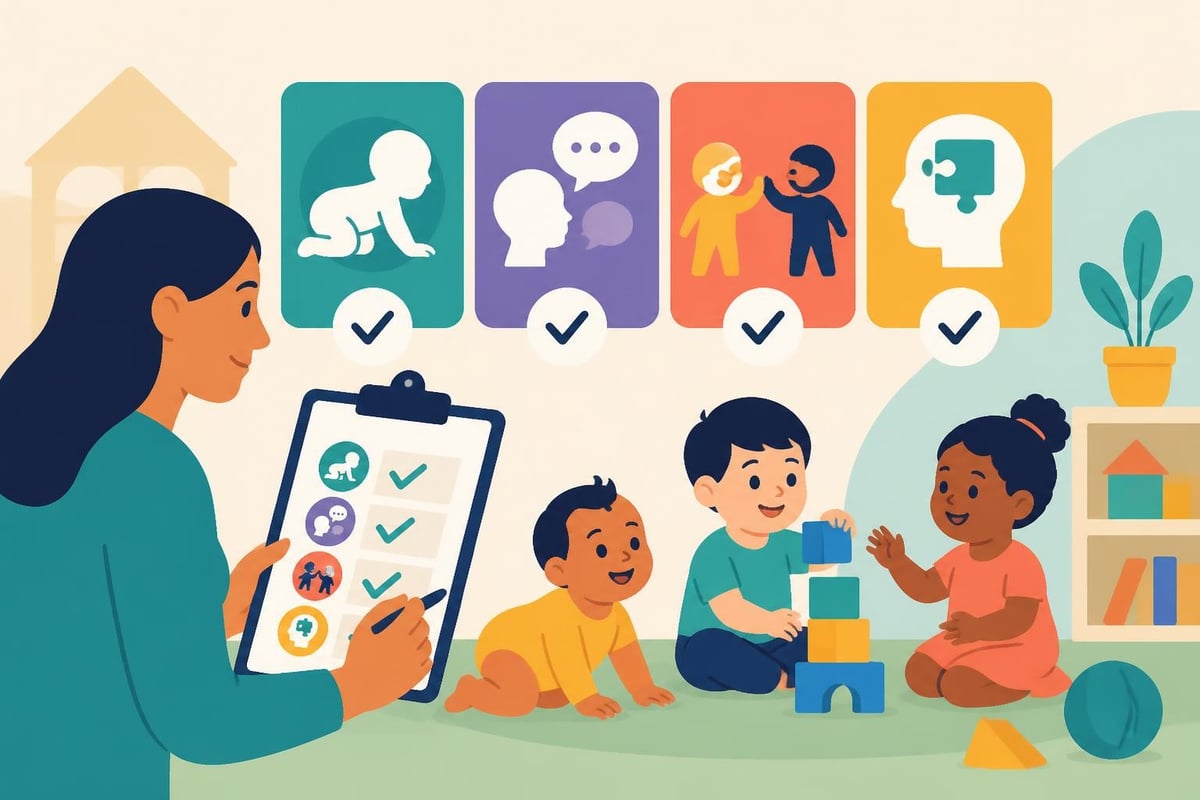
Providers document:
- Physical development and motor skills progression
- Language acquisition and communication abilities
- Social-emotional growth and relationship building
- Cognitive development and problem-solving strategies
- Creative expression and imagination
This documentation serves multiple purposes: informing daily planning, sharing progress with families, and identifying any developmental concerns that might require specialist consultation. Programs offering infant care programs pay particular attention to rapid changes during the first year of life.
Adapting to Individual Needs
Recognition of individual differences shapes how providers structure their days and plan activities. Some children need more physical activity to regulate their energy, while others require quiet spaces for processing information. Flexible programs accommodate these variations while maintaining structure that supports all learners.
| Learning Style | Provider Adaptations | Sample Activities |
|---|---|---|
| Active/Kinesthetic | Movement opportunities, hands-on materials | Dance, building blocks, sensory bins |
| Visual | Picture schedules, colorful materials, demonstrations | Books, art projects, puzzles |
| Auditory | Songs, verbal instructions, storytelling | Music time, rhymes, conversation |
| Social | Group activities, peer interaction | Cooperative games, dramatic play |
Health and Safety Within Educational Frameworks
Quality education and care programs maintain rigorous health and safety standards while creating warm, homelike environments. State childcare licensing regulations establish baseline requirements, but exceptional providers exceed these minimums.
Creating Safe Learning Environments
Physical safety enables confident exploration essential for learning. Providers carefully arrange spaces to minimize hazards while maximizing opportunities for age-appropriate risk-taking that builds competence and confidence.
Safety considerations include:
- Developmentally appropriate furniture and equipment sized for young children
- Secured hazardous materials while maintaining accessible learning materials
- Supervised outdoor spaces that encourage physical challenges
- Emergency preparedness plans practiced regularly
- Health monitoring and illness prevention protocols
These measures create foundations where children feel secure enough to take the learning risks necessary for growth. Parents seeking home childcare options prioritize providers who demonstrate commitment to both safety and enrichment.
Nutrition as Education and Care
Mealtimes represent powerful opportunities for integrated education and care. Beyond meeting nutritional needs, shared meals support social development, language acquisition, and healthy habit formation. Providers introduce new foods, model healthy eating behaviors, and create positive associations with nutritious choices.
Children learn through meal experiences:
- Fine motor skills through self-feeding
- Mathematical concepts through serving sizes and counting
- Cultural awareness through diverse food traditions
- Social conventions around shared meals
- Independence and self-help skills
Professional Development and Quality Improvement
The field of early childhood education continuously evolves as research reveals new insights about how young children learn and develop. Committed providers pursue ongoing professional development to stay current with best practices.
Evidence-Based Practices
Quality education and care programs ground their approaches in research about child development, effective teaching strategies, and family engagement. Resources like the Education Resources Information Center provide access to current research that informs practice.
Providers demonstrate professionalism through:
- Regular participation in training workshops and conferences
- Staying informed about licensing requirement changes
- Implementing evidence-based curriculum frameworks
- Seeking feedback from families and incorporating suggestions
- Collaborating with other early childhood professionals
This commitment to continuous improvement ensures that children receive the highest quality experiences based on current understanding of early learning.
Quality Rating Systems
Many states now implement quality rating and improvement systems that help families identify high-quality programs. These systems typically assess factors like staff qualifications, curriculum quality, family engagement practices, and environmental safety. The California Department of Education’s quality guide offers one example of resources helping parents evaluate care options.
Home-based providers who participate in these rating systems demonstrate commitment to excellence and accountability. They welcome observation, feedback, and opportunities for improvement.
Technology Integration in Modern Education and Care
As we move through 2026, technology plays an increasingly important role in early childhood programs. However, quality providers carefully balance screen time with hands-on, interactive learning experiences essential for young children.
Thoughtful Technology Use
Rather than replacing human interaction, technology in quality programs enhances communication with families and provides occasional enrichment activities. Providers might use:
- Documentation apps that share photos and updates with families
- Age-appropriate educational apps for limited, supervised use
- Video calls connecting children with distant family members
- Digital portfolios tracking developmental progress over time
The Trusted Educational AI Standard framework offers guidance for evaluating educational technology, ensuring any digital tools truly support learning rather than simply entertaining.
Maintaining Human Connection
Despite technological advances, research consistently shows that young children learn best through direct, responsive interactions with caring adults. Quality education and care prioritizes face-to-face communication, physical play, and hands-on exploration over screen-based activities.
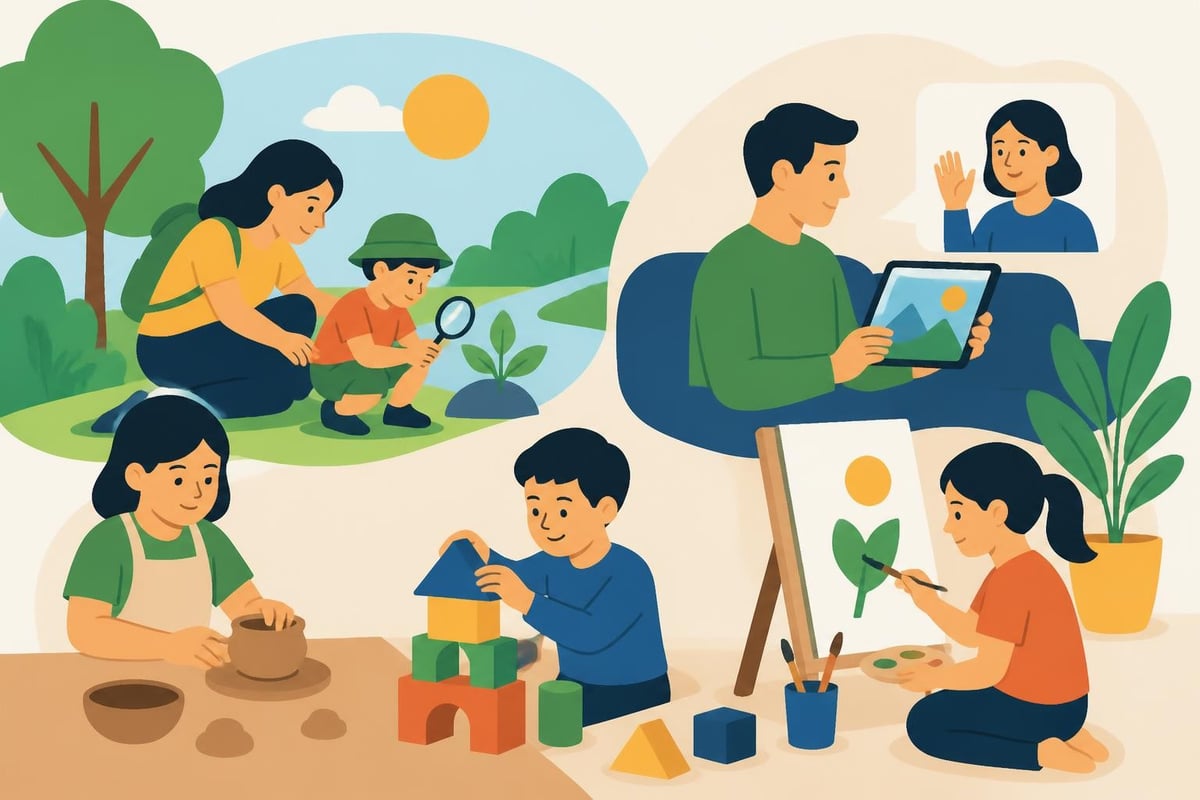
Cultural Responsiveness and Inclusion
Excellence in education and care requires honoring the diverse backgrounds, languages, and family structures children bring to programs. Culturally responsive practices ensure all children see themselves reflected in their learning environment while developing appreciation for others.
Building Inclusive Communities
Providers create inclusive environments through:
- Materials representing diverse families, abilities, and cultures
- Welcoming home languages alongside English development
- Celebrating various cultural traditions and holidays
- Adapting activities for children with different abilities
- Partnering with families to understand their values and goals
This inclusive approach enriches all children's learning while ensuring each child feels valued and respected. Programs committed to diversity recognize that education and care must be culturally sustaining, not just culturally aware.
Supporting Dual Language Learners
For children growing up in multilingual households, quality programs support both home language maintenance and English acquisition. Research shows that strong foundations in a first language support overall cognitive development and second language learning. Providers collaborate with families to incorporate home languages into daily routines and celebrate linguistic diversity as an asset.
The Long-term Impact of Quality Education and Care
Investment in high-quality early childhood programs yields remarkable returns that extend far beyond the preschool years. National education statistics document how early experiences shape later academic achievement, social competence, and even adult outcomes.
Preparing for School Success
Children who participate in quality education and care programs enter kindergarten with stronger skills across all developmental domains. They demonstrate better:
- Pre-literacy and pre-math abilities
- Self-regulation and attention skills
- Social competence with peers and adults
- Confidence and enthusiasm for learning
- Physical health and motor coordination
These advantages create positive trajectories that continue throughout children's educational journeys. Parents choosing family day care educators invest in foundations that support their children's success for years to come.
Broader Community Benefits
Beyond individual child outcomes, quality early childhood programs strengthen entire communities. They enable parents to work or pursue education while knowing their children receive excellent care. They create employment for skilled educators. They reduce later costs associated with grade retention, special education, and social services.
| Program Quality Level | Kindergarten Readiness | Third Grade Reading | High School Graduation |
|---|---|---|---|
| High Quality | 85-90% ready | 75-80% proficient | 90-95% graduate |
| Moderate Quality | 65-70% ready | 55-60% proficient | 75-80% graduate |
| Low Quality | 40-50% ready | 35-40% proficient | 60-65% graduate |
These statistics demonstrate why families should prioritize quality when selecting education and care programs, even when it requires greater investment or more extensive searching.
Integrating education and care creates powerful foundations that support children's growth across all developmental domains while providing the security and nurturing young children need. When providers combine responsive caregiving with intentional learning opportunities, children develop the confidence, competence, and curiosity that prepare them for lifelong success. Step by Step Care understands this crucial connection, offering home-based childcare that nurtures each child's unique potential through personalized attention, developmentally appropriate activities, and strong family partnerships. Discover how our commitment to excellence in both education and care can support your child's journey.


