

Infant Daycare Programs: A Complete Guide for Parents
Choosing care for your infant represents one of the most significant decisions you'll make as a parent. Quality infant daycare programs provide more than supervision-they create nurturing environments where your baby's earliest developmental needs are met with expertise and compassion. Understanding what distinguishes exceptional programs from average ones empowers you to make informed choices that support your child's growth during these crucial first months and years.
Understanding What Infant Daycare Programs Offer
Infant daycare programs specialize in caring for babies from six weeks to approximately 18 months old. These programs differ substantially from toddler or preschool care because they focus on the unique developmental needs of pre-mobile and newly mobile children.
The foundation of quality infant care rests on relationship-based approaches. The Program for Infant/Toddler Care emphasizes responsive and respectful caregiving as essential to healthy development. Caregivers in strong programs recognize each infant's individual cues, preferences, and rhythms rather than applying one-size-fits-all schedules.
Core Components of Quality Programs
Every reputable program should address these fundamental areas:
- Primary caregiving systems where specific caregivers develop deep relationships with assigned infants
- Individualized feeding and sleeping schedules that respect each baby's unique needs
- Age-appropriate developmental activities including tummy time, sensory exploration, and language exposure
- Safe, stimulating environments designed specifically for infant exploration
- Consistent communication protocols keeping families informed about daily experiences
Home-based childcare settings often excel at providing these elements because smaller group sizes naturally facilitate individualized attention and relationship building.
Safety Standards and Regulations
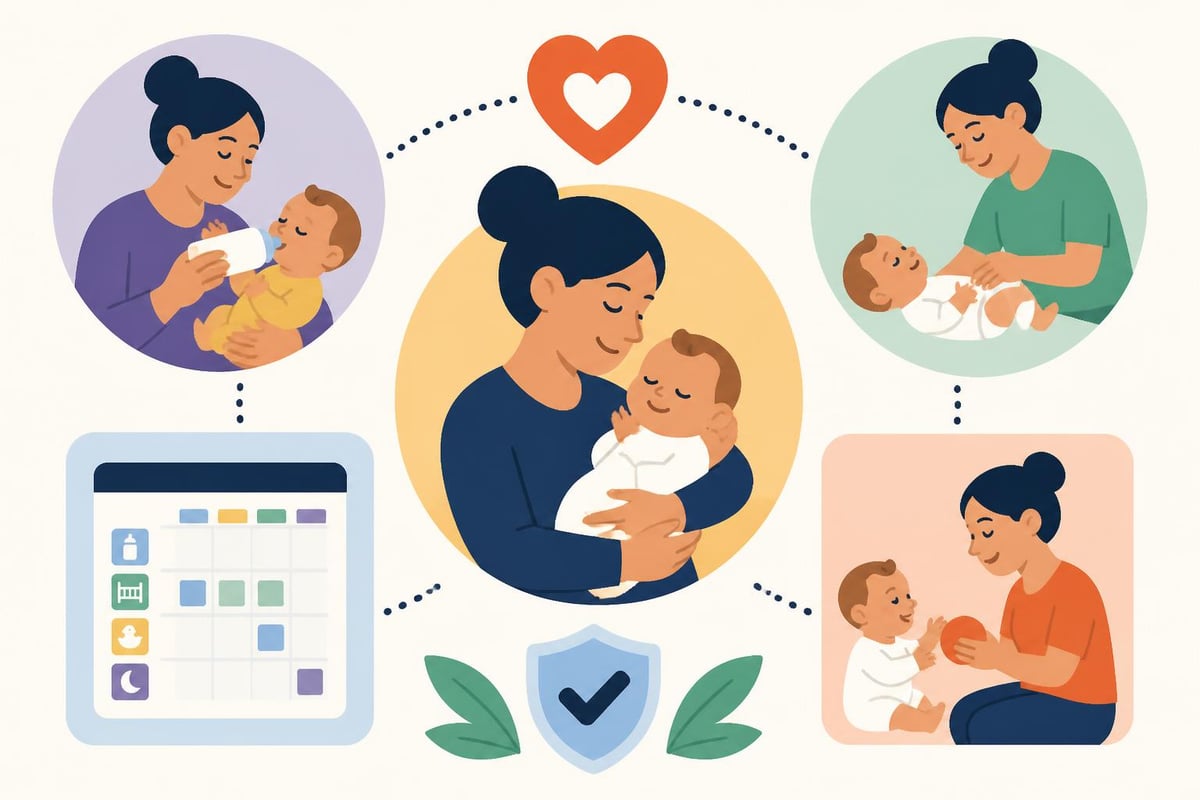
Safety forms the absolute foundation of any infant daycare program. Infant daycare safety standards cover environmental design, daily routines, and caregiver decision-making to create secure settings where babies can thrive.
Physical Environment Requirements
State licensing regulations typically mandate specific physical requirements for spaces caring for infants:
| Safety Element | Requirement | Purpose |
|---|---|---|
| Square footage | 35-50 sq ft per infant | Adequate space for movement and equipment |
| Sleep surfaces | Firm, flat cribs with fitted sheets only | SIDS prevention |
| Temperature control | 65-75°F maintained | Infant comfort and health |
| Outlet covers | All accessible outlets protected | Electrical safety |
| Surface sanitation | Daily disinfection protocols | Disease prevention |
Home childcare providers must meet these same standards while often providing a more homelike atmosphere that can feel comfortable for both babies and parents.
Caregiver-to-Infant Ratios
Lower ratios enable better supervision and more responsive care. Most states require ratios between 1:3 and 1:4 for infants under 12 months. Programs maintaining ratios at the lower end of this spectrum typically provide superior care because caregivers can respond more quickly to individual needs.
When visiting potential programs, observe whether caregivers seem rushed or calm. Quality infant daycare programs staff adequately so that caregivers have time to hold babies during feeding, respond promptly to distress, and engage in one-on-one interactions throughout the day.
Developmental Activities and Curriculum
While "curriculum" for infants looks vastly different from structured preschool lessons, quality programs intentionally support development across multiple domains.
Physical Development Support
Infants experience rapid physical changes during their first year. Programs should facilitate this growth through:
- Supervised tummy time multiple times daily to strengthen neck and shoulder muscles
- Safe floor space for rolling, crawling, and eventually cruising
- Age-appropriate toys that encourage reaching, grasping, and manipulating
- Outdoor experiences when weather permits for fresh air and natural light
Caregivers in strong programs understand developmental milestones and create opportunities for babies to practice emerging skills without pressure or comparison.
Cognitive and Language Development
Even tiny babies benefit from rich language environments. Effective infant daycare programs incorporate:
- Narration during care routines (describing diaper changes, feeding, dressing)
- Reading board books one-on-one or in small groups
- Singing songs and nursery rhymes throughout the day
- Introducing varied sensory experiences through safe materials and textures
- Responding to baby vocalizations to encourage communication attempts
These interactions build neural pathways that support later learning. Research on developmentally appropriate infant care demonstrates that responsive communication from caregivers significantly impacts language development.
Nutrition and Feeding Practices
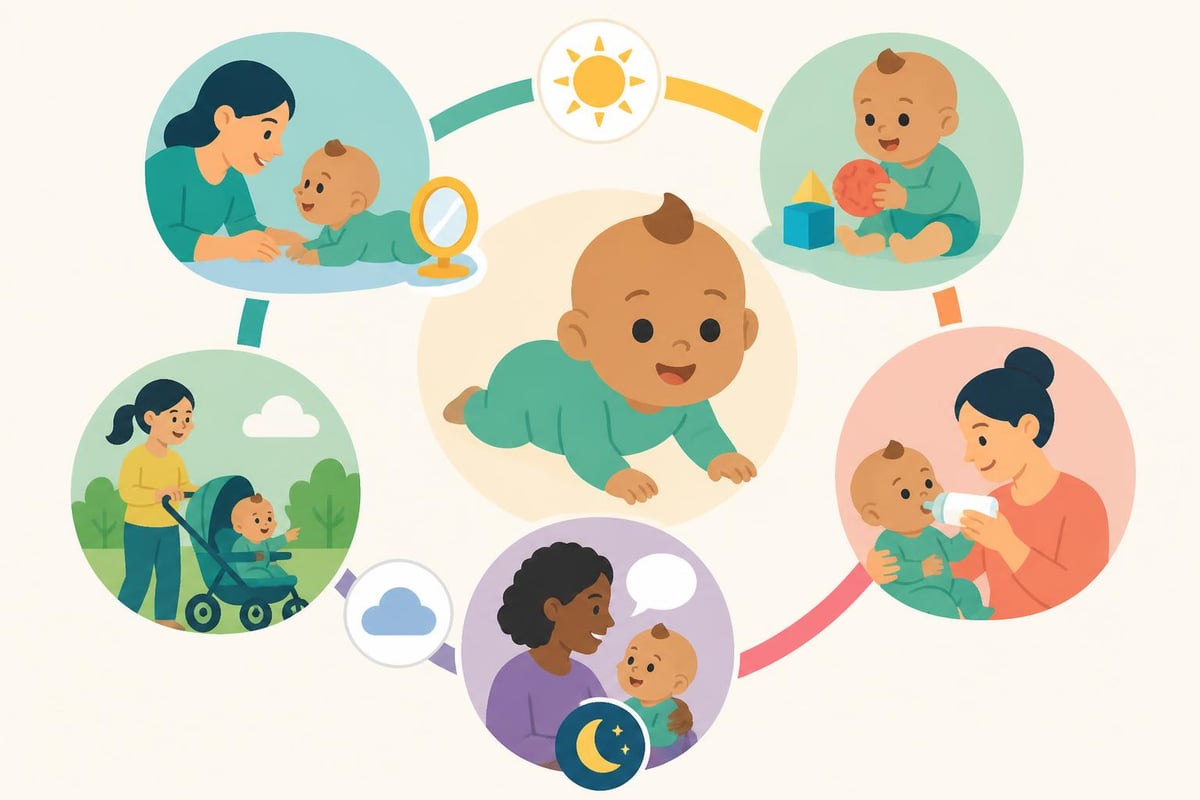
Feeding represents a significant portion of infant care and a critical area where programs must demonstrate knowledge and flexibility.
Supporting Various Feeding Methods
Quality programs accommodate different feeding approaches:
- Breastfeeding support including proper storage of expressed milk and willingness to have nursing mothers visit
- Formula preparation following safe mixing and warming procedures
- Introduction of solid foods according to family preferences and pediatric guidance
- Responsive feeding practices that honor infant hunger and fullness cues
The CDC provides comprehensive guidance on healthy infant feeding in early care settings, emphasizing the importance of responsive feeding and avoiding pressuring babies to finish bottles.
Feeding as Relationship-Building
Beyond nutrition, feeding times offer opportunities for connection. Caregivers should hold babies during bottle feeding rather than propping bottles, make eye contact, and use these moments for communication. This practice supports both physical nourishment and emotional security.
Communication Between Caregivers and Families
Strong partnerships between families and caregivers benefit infants tremendously. Programs should establish clear, consistent communication systems.
Daily Information Sharing
Parents need to know how their baby's day unfolded. Effective programs provide:
| Information Type | Frequency | Method |
|---|---|---|
| Feeding amounts and times | Daily | Written log or app |
| Diaper changes | Daily | Written log or app |
| Sleep duration | Daily | Written log or app |
| Developmental observations | Weekly | Verbal or written |
| Milestone achievements | As they occur | Photo/video sharing |
| Behavioral changes | Immediately | Direct conversation |
Many families appreciate exploring program galleries to see how daily experiences are documented and shared.
Two-Way Communication Value
Communication shouldn't flow only from caregiver to parent. Programs should actively seek information from families about home routines, preferences, and concerns. This collaboration ensures consistency and helps babies feel secure across environments.
When researching options, ask potential providers how they handle communication. Home-based programs often excel here because smaller enrollment allows for more personalized daily conversations.
Selecting the Right Program for Your Family
Choosing among infant daycare programs requires careful evaluation of multiple factors beyond convenience and cost.
Essential Questions to Ask
During tours and interviews, gather information about:
- What is your caregiver-to-infant ratio throughout the day?
- How do you handle feeding, sleeping, and diapering routines?
- What developmental activities do you provide for different age ranges?
- How do you support infants who are struggling with separation?
- What happens when a caregiver is sick or on vacation?
- How do you communicate with families about daily experiences?
Finding the right infant daycare involves observing caregiver interactions and assessing whether the philosophy aligns with your family values.
Visiting and Observing
Schedule visits during active care times rather than nap periods. Watch how caregivers interact with babies:
- Do they respond promptly to cries?
- Do they make eye contact and talk to infants during routine care?
- Does the environment feel calm or chaotic?
- Are babies engaged with toys and activities appropriate to their development?
Trust your instincts. The right program should feel welcoming and demonstrate genuine affection for the children in their care.

The Home Childcare Advantage
While center-based care works well for many families, home childcare settings offer distinct advantages for infant care.
Benefits of Smaller Group Sizes
Home programs typically care for fewer children overall, creating:
- Lower noise levels that reduce infant stress and overstimulation
- More individualized attention from caregivers who know each baby intimately
- Flexible scheduling that accommodates varying infant rhythms
- Homelike environments that feel comfortable and less institutional
- Mixed-age groupings where infants benefit from observing older children
These characteristics align naturally with relationship-based approaches to infant care.
Continuity of Care
Many home-based providers care for children from infancy through preschool years. This continuity offers significant benefits, as babies don't experience transitions between infant rooms and toddler rooms. Relationships with caregivers deepen over years, providing stable foundations for emotional development.
Families interested in this continuity might explore specialized infant care programs that support children throughout early childhood.
Health and Illness Policies
Infant immune systems are still developing, making clear health policies essential.
Preventing Illness Transmission
Quality programs implement rigorous hygiene practices:
- Handwashing protocols for caregivers between diaper changes and before food preparation
- Toy sanitization schedules ensuring mouthed items are cleaned promptly
- Separation of food preparation and diapering areas to prevent cross-contamination
- Illness exclusion policies keeping sick children home to protect others
- Immunization requirements ensuring all children receive recommended vaccines
When Babies Get Sick
Despite best efforts, infants do fall ill. Understand each program's policies regarding:
- Temperature thresholds requiring pickup
- Symptoms that necessitate exclusion (vomiting, diarrhea, rash)
- Return-to-care requirements after illness
- Medication administration procedures
- Emergency medical protocols
Programs should communicate clearly about these policies before enrollment and apply them consistently.
Supporting Emotional Development and Attachment
Secure attachment forms the foundation for healthy emotional development. Quality infant daycare programs recognize their role in supporting attachment while babies are in care.
Primary Caregiving Systems
The primary caregiver model assigns specific caregivers to specific infants. This consistency allows babies to form secure attachments with their caregivers, reducing stress and supporting healthy social-emotional development.
Partnering with Parents
Programs should view themselves as partners supporting family relationships, not replacements. Caregivers in strong programs:
- Encourage families to maintain bedtime and morning routines that provide security
- Share observations about attachment behaviors and developmental progress
- Support transitions by allowing extra time for goodbyes when needed
- Celebrate the parent-child bond and reassure parents about separation concerns
Understanding what details matter in infant programs helps families identify providers who prioritize emotional well-being alongside physical care.
Transitioning Your Infant to Daycare
Starting daycare represents a major transition for both babies and parents. Quality programs support this adjustment period.
Gradual Introductions
Many programs offer shortened days during the first week, allowing infants to acclimate gradually. This approach reduces stress and helps caregivers learn individual preferences before managing full days.
Establishing Goodbye Routines
Consistent, brief goodbyes help babies understand the pattern: parent leaves, baby stays with caregiver, parent returns. Programs should encourage routines while discouraging prolonged departures that increase anxiety.
Monitoring Adjustment
Caregivers should track how quickly infants settle after parent departure and communicate honestly about adjustment challenges. Most babies adapt within two to three weeks, though individual timelines vary.
Ongoing Quality Assessment
Choosing a program isn't the end of evaluation. Continue assessing whether the care meets your expectations and your infant's needs.
Signs of Quality Care
Your baby should generally seem content and engaged. Look for:
- Excitement or calm acceptance when arriving at the program
- Evidence of developmental progress and new skills
- Positive relationships with caregivers demonstrated through smiles and comfort-seeking
- Detailed daily reports showing individualized attention
- Regular communication about milestones and experiences
When to Reconsider
Trust concerns that arise. Red flags include:
- Unexplained injuries or frequent accidents
- Caregiver turnover affecting consistency
- Lack of communication about daily experiences
- Your infant seeming consistently distressed or withdrawn
- Policies changing without family notification
Parents considering alternatives might explore top-rated daycares in their area to compare options.
The Investment in Early Care
Quality infant daycare programs require significant resources, reflected in tuition costs. Understanding what you're paying for helps contextualize the investment.
Cost Factors
Higher-quality programs typically charge more because they:
- Maintain lower caregiver-to-infant ratios
- Pay competitive wages attracting experienced, educated caregivers
- Invest in age-appropriate toys, books, and equipment
- Provide ongoing professional development for staff
- Maintain pristine, safe facilities
- Offer enrichment activities and experiences
Long-Term Value
Research consistently demonstrates that quality early care supports school readiness, social skills, and even long-term academic achievement. The investment in excellent infant care yields returns extending far beyond the baby years.
Quality infant daycare programs provide nurturing, developmentally appropriate care that supports your baby's growth across all domains while giving you peace of mind. Finding the right fit requires careful research, thoughtful observation, and trust in your parental instincts. Whether you're just beginning your search or ready to make a decision, Step by Step Care offers the relationship-based, individualized approach that makes all the difference during these precious early months. Contact us to learn how our home childcare environment supports infants and families through responsive, loving care.


