

Infant Care Programs: A Complete Guide for Parents
Choosing care for your infant represents one of the most significant decisions you'll make as a parent. The first year of life establishes crucial foundations for cognitive, social, and emotional development, making the quality of care during this period essential. Understanding what constitutes excellent infant care programs helps parents make informed choices that support their child's growth while providing peace of mind during working hours. This comprehensive guide explores the key elements, benefits, and considerations when evaluating care options for your youngest family members.
Understanding the Fundamentals of Infant Care Programs
Infant care programs specifically designed for children from birth through approximately 12 months differ significantly from care for older children. These specialized programs recognize that infants have unique developmental needs, requiring caregivers trained in early infant development, feeding practices, and relationship-based care approaches.
Quality infant care programs prioritize several core elements:
- Low child-to-caregiver ratios ensuring individual attention
- Primary caregiving systems where specific adults bond with specific infants
- Safe sleep environments following current guidelines
- Responsive feeding practices respecting each infant's schedule
- Developmentally appropriate activities promoting sensory exploration
The Program for Infant/Toddler Care (PITC) emphasizes relationship-based approaches that recognize the importance of secure attachments between caregivers and infants. This philosophy forms the backbone of quality programs throughout the country.
Regulatory Standards and Safety Requirements
State licensing requirements establish minimum standards for infant care programs, though quality programs often exceed these baselines. Regulations typically address staff-to-child ratios, caregiver qualifications, facility requirements, and health and safety protocols.
Most states mandate a 1:4 or 1:3 ratio for infants, recognizing that younger babies require more individualized attention. Caregivers must often complete specialized training in infant CPR, safe sleep practices, and recognizing developmental milestones.
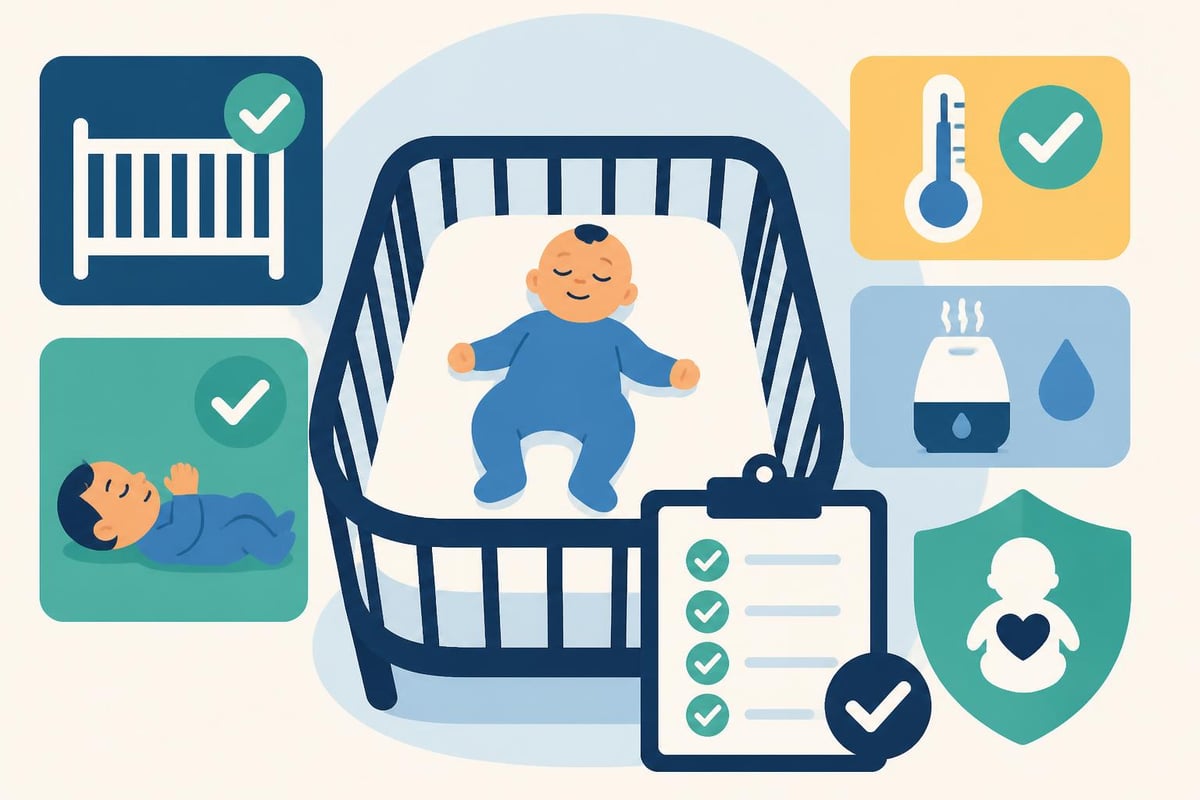
The California Childcare Health Program provides comprehensive safe sleep policies that many programs adopt nationwide. These guidelines address crib safety, sleep positioning, room temperature, and monitoring practices.
Developmental Benefits of Quality Care Programs
Research consistently demonstrates that high-quality infant care programs can support healthy development across multiple domains. When programs implement evidence-based practices with trained caregivers, infants benefit from structured learning opportunities unavailable in some home settings.
The cognitive stimulation provided through age-appropriate activities, language-rich interactions, and sensory experiences contributes to brain development during critical periods. Caregivers trained in early childhood development recognize opportunities to support learning through everyday routines like diaper changes, feeding, and play.
Social and Emotional Growth
Infant care programs create opportunities for early social interaction, even though babies under one year engage primarily in parallel play. Observing other children and experiencing group routines helps infants develop social awareness and emotional regulation skills.
Key social-emotional benefits include:
- Forming secure attachments with consistent caregivers
- Learning to self-soothe with appropriate support
- Experiencing diverse social interactions
- Developing trust through responsive care
- Building foundations for future peer relationships
The NICHD Study of Early Child Care and Youth Development provides extensive longitudinal data showing that quality care with low ratios and trained caregivers positively influences child development outcomes.
Physical Development and Health
Quality programs support physical development through tummy time, reaching and grasping activities, and safe spaces for movement exploration. Caregivers monitor developmental milestones and communicate progress with families.
| Developmental Area | Program Support | Age-Appropriate Activities |
|---|---|---|
| Gross Motor | Safe floor space, supervised movement | Tummy time, rolling, beginning crawling |
| Fine Motor | Sensory materials, grasping toys | Reaching, transferring objects, finger foods |
| Sensory | Varied textures, sounds, visuals | Sensory bins, music, visual tracking |
| Language | Constant narration, reading, songs | Picture books, nursery rhymes, responsive conversation |
Choosing Between Home-Based and Center-Based Programs
Parents evaluating infant care options typically consider both home-based childcare environments and larger center-based facilities. Each setting offers distinct advantages depending on family needs and preferences.
Home-based programs often provide a more intimate, family-like atmosphere with mixed-age groups. These settings may offer greater flexibility in scheduling and create strong community bonds among families. The smaller group size can be particularly beneficial for infants who thrive with consistency and quiet environments.
Center-based programs typically offer more structured curricula, specialized infant classrooms, and backup staffing when primary caregivers are absent. These facilities often have extensive resources, including dedicated infant spaces, specialized equipment, and multiple trained staff members.
Evaluating Program Quality Indicators
Regardless of setting, certain quality indicators help parents assess infant care programs effectively. Beyond licensing compliance, look for programs demonstrating commitment to continuous improvement and evidence-based practices.
Essential quality markers include:
- Caregiver education and ongoing professional development
- Primary care assignments and continuity of care
- Written developmental care plans for each infant
- Family partnership practices and daily communication
- Clean, safe, developmentally appropriate environments
- Transparent policies regarding illness, feeding, and sleep
The Child Development Council identifies ten components essential for high-quality infant and toddler programs, providing a research-based framework for evaluation.
Nutrition and Feeding Practices
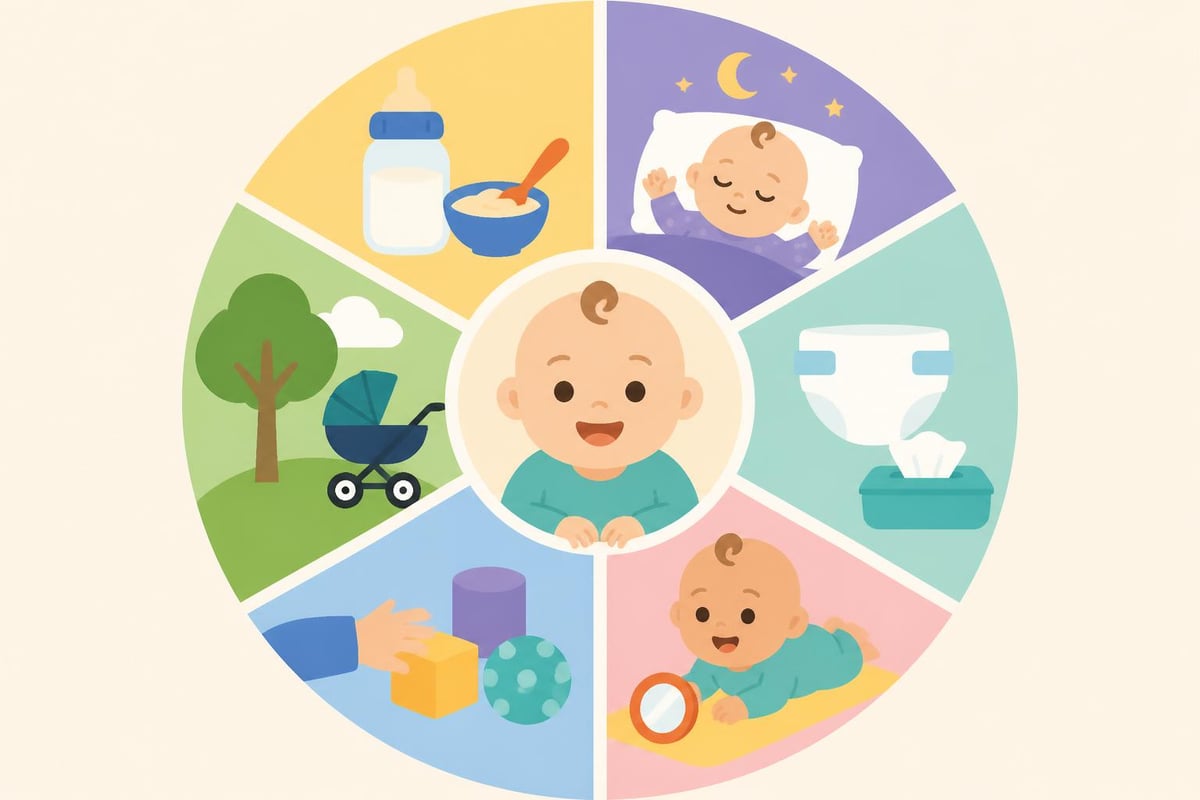
Feeding represents a significant component of infant care programs, with practices varying based on infant age and family preferences. Quality programs accommodate breastfeeding mothers, properly store and handle breast milk, and follow safe formula preparation procedures.
Many programs follow infant feeding best practices that promote responsive feeding, where caregivers recognize and respond to individual hunger and fullness cues rather than adhering to rigid schedules.
Supporting Breastfeeding Families
Programs supporting breastfeeding families provide refrigeration for breast milk storage, maintain proper labeling systems, and welcome nursing mothers who wish to feed onsite. Some programs coordinate feeding times with pickup schedules to support exclusive breastfeeding.
As infants transition to solid foods, caregivers work closely with families to introduce new foods at appropriate developmental stages. Programs should document feeding times, amounts consumed, and any reactions to new foods.
Communication and Family Partnership
Effective infant care programs recognize parents as partners in their child's care and development. Daily communication about feeding, sleeping, diapering, and developmental observations helps families feel connected throughout the day.
Modern programs often utilize apps or daily sheets documenting each feeding, diaper change, and sleep period. This detailed tracking proves particularly valuable for young infants establishing routines and helps pediatricians monitor growth and development.
Transition and Adaptation Support
Starting infant care represents a significant transition for families. Quality programs implement gradual orientation periods allowing infants and parents to adjust comfortably. These transitions might span several days or weeks, with parents initially staying with their infant before gradually extending separation periods.
Programs should maintain flexibility during the adjustment period, recognizing that each infant adapts differently. Some babies transition smoothly within days, while others require weeks to establish comfort with new caregivers and routines.
Health and Safety Protocols
Infant care programs must maintain rigorous health and safety standards protecting vulnerable young children. Beyond safe sleep practices, programs implement illness policies, medication administration procedures, and emergency preparedness plans.
Critical health and safety components include:
- Daily health checks upon arrival
- Clear illness exclusion policies
- Proper hand-washing and sanitization procedures
- Secure medication storage and administration logs
- Emergency contact information and evacuation plans
- Regular safety inspections and equipment maintenance
Research on infant- and family-centered developmental care emphasizes creating environments minimizing stress while supporting healthy development through appropriate sensory experiences and responsive caregiving.
Staff Qualifications and Training
The quality of infant care programs directly correlates with caregiver education, training, and professional development. While licensing establishes minimum qualifications, exceptional programs invest in ongoing education ensuring caregivers remain current with best practices.
Look for programs where infant caregivers have completed specialized training in early infant development, not just general early childhood education. Understanding developmental milestones, attachment theory, and infant mental health separates adequate care from excellent care.
Continuity of Care Models
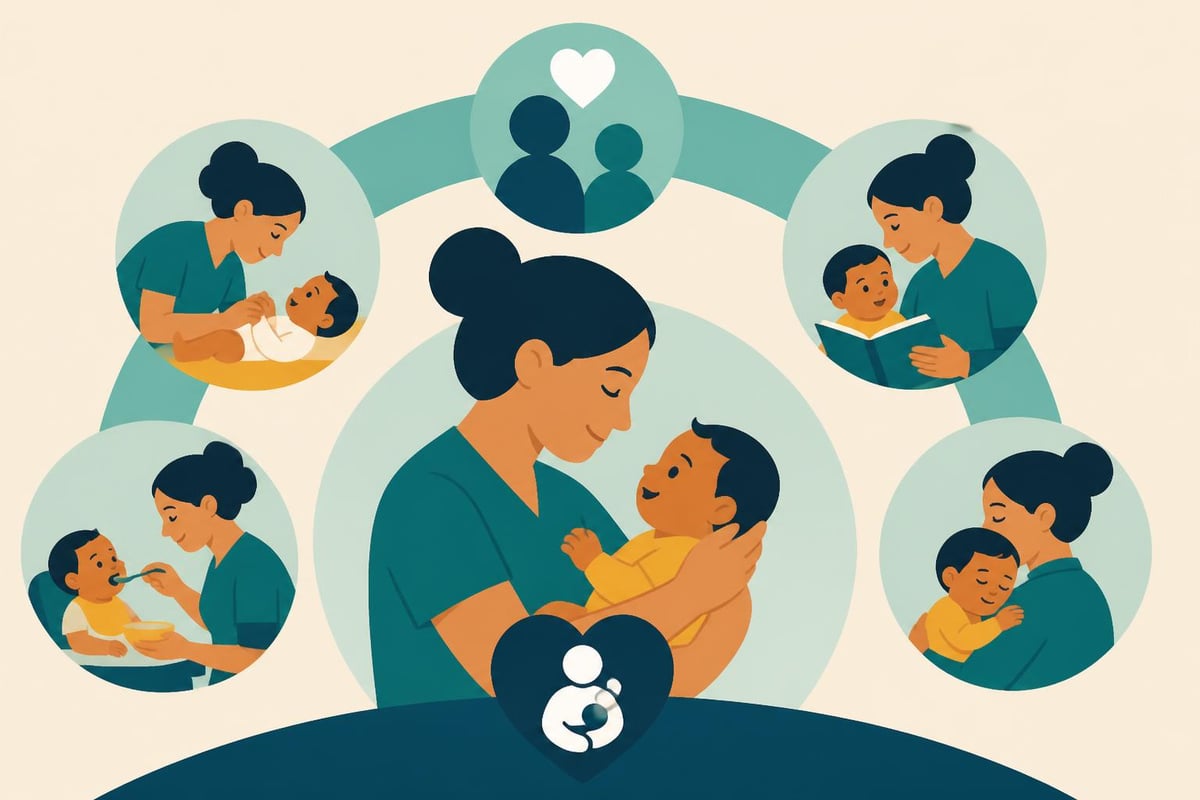
Many high-quality programs implement continuity of care, where the same caregiver remains with a group of infants as they grow into toddlerhood. This approach supports secure attachment formation and allows caregivers to develop deep knowledge of each child's temperament, preferences, and developmental trajectory.
| Staffing Model | Description | Benefits | Considerations |
|---|---|---|---|
| Primary Care | Specific caregivers assigned to specific infants | Strong attachments, individualized care | Requires adequate staffing ratios |
| Continuity of Care | Caregivers move with children through age groups | Long-term relationships, developmental knowledge | Multi-year commitment from staff |
| Team Care | Multiple caregivers share responsibilities | Coverage flexibility, varied interactions | May reduce attachment security |
Cost Considerations and Financial Planning
Infant care programs typically represent the most expensive childcare option due to required low ratios and specialized care. Understanding cost structures helps families budget appropriately and explore available financial assistance.
Many programs charge higher rates for infants compared to older children, reflecting the intensive care required. Monthly costs vary significantly by region, ranging from moderate fees in home-based settings to premium pricing at specialized infant centers.
Families should investigate potential financial assistance through employer benefits, state subsidies for qualifying families, or flexible spending accounts allowing pre-tax childcare payments. Some programs offer sibling discounts or reduced rates for full-time enrollment.
Making Your Final Decision
After researching options and visiting programs, trust your instincts while considering objective quality indicators. The best infant care programs for your family balance practical considerations like location and cost with quality factors supporting your child's development.
Schedule visits when infants are awake and engaged to observe caregiver interactions, infant contentment, and daily routines. Pay attention to how staff respond to crying babies, whether they talk to infants during care routines, and the general atmosphere of the infant room.
Ask about staff turnover rates, as continuity proves particularly important for infants. Inquire about backup plans when primary caregivers are absent and how the program handles transitions between infant and toddler classrooms.
Questions to Ask During Tours
- What is your current infant-to-caregiver ratio?
- How do you assign primary caregivers?
- What training do infant caregivers receive?
- How do you communicate with families daily?
- What is your approach to sleep and feeding schedules?
- How do you support breastfeeding families?
- What happens when infants cry or seem distressed?
- Can you describe a typical day for an infant in your care?
The National Institute for Early Education Research examines the effectiveness of high-quality center-based care, providing evidence supporting the developmental benefits of well-designed programs.
Supporting Infant Development at Home and in Care
Consistency between home and care environments benefits infant development and helps children feel secure across settings. Share information about your infant's routines, preferences, and emerging skills with caregivers, and ask them to reciprocate.
Many families find that exploring multiple care options in their area provides perspective on different program philosophies and approaches. Understanding the range of available options helps parents make choices aligned with their values and child's needs.
Quality programs welcome parent involvement and create opportunities for families to participate in their child's care experience. Whether through family events, observation opportunities, or regular conferences, these touchpoints strengthen the partnership between families and caregivers.
Selecting appropriate infant care programs requires careful consideration of quality indicators, safety standards, and your family's unique needs. The right program provides nurturing relationships, developmental support, and peace of mind during your child's critical first year. At Step by Step Care, we understand the importance of these early months and provide relationship-based care in a home environment where infants receive individualized attention and responsive caregiving. Reach out today to learn how we support families navigating their infant care journey.


