

Best Day Care for Infants Near Me: Complete 2026 Guide
Finding quality care for your infant represents one of the most important decisions you'll make as a parent. The search for the best day care for infants near me involves much more than proximity to your home or workplace. It requires careful evaluation of safety standards, caregiver qualifications, developmental programs, and the overall environment where your baby will spend their days. This comprehensive guide walks you through every aspect of selecting infant care that meets your family's needs and gives your child the nurturing foundation they deserve during these critical early months.
Understanding Infant Care Requirements
Infant care differs significantly from care for older children. Babies under 12 months need specialized attention, including frequent feedings, diaper changes, safe sleep environments, and age-appropriate stimulation. When searching for the best day care for infants near me, you're looking for providers who understand these unique developmental needs.
State licensing requirements mandate specific staff-to-child ratios for infant care, typically ranging from 1:3 to 1:4 for babies under one year. These ratios ensure each infant receives adequate attention throughout the day. Lower ratios generally mean more individualized care, which proves especially important during feeding times, diaper changes, and those crucial moments of one-on-one interaction that support cognitive and emotional development.
Key Developmental Considerations
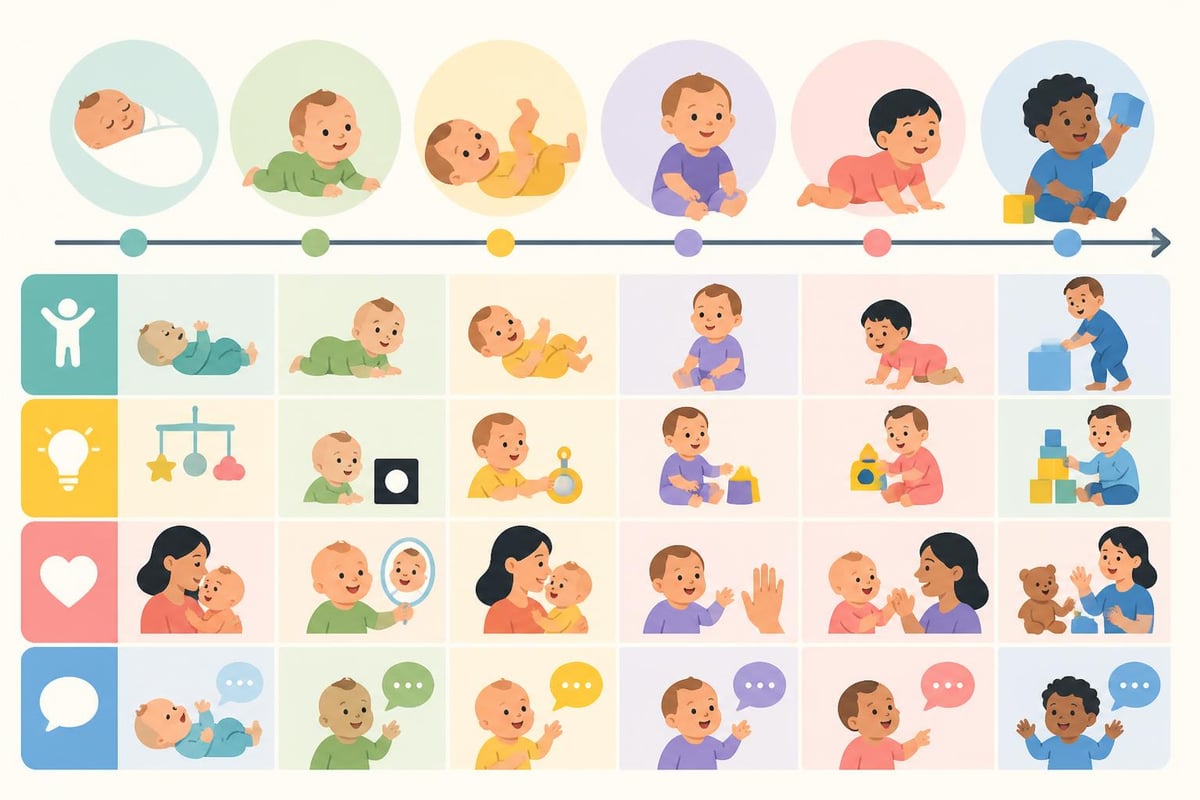
Infants experience rapid growth during their first year. Quality care providers structure their days around supporting these developmental milestones:
- Physical development: Tummy time, reaching activities, and safe exploration spaces
- Cognitive growth: Sensory experiences, language exposure, and cause-and-effect toys
- Social-emotional bonding: Responsive caregiving, consistent routines, and nurturing interactions
- Communication skills: Talking, singing, reading, and responding to infant vocalizations
The right provider doesn't just keep your baby safe-they actively engage in activities that promote healthy development across all these domains.
Evaluating Safety and Health Standards
Safety stands as the non-negotiable foundation of quality infant care. Before visiting potential providers, research their licensing status and any reported violations. Every state maintains public records of licensed facilities, including inspection reports and compliance history.
Critical Safety Elements
| Safety Feature | What to Look For | Why It Matters |
|---|---|---|
| Sleep Environment | Firm mattresses, no blankets/pillows, cribs meeting current standards | Reduces SIDS risk |
| Feeding Protocols | Proper bottle preparation, storage, and feeding positions | Prevents choking and contamination |
| Facility Security | Controlled entry, visitor sign-in, emergency procedures | Protects against unauthorized access |
| Health Policies | Illness guidelines, immunization requirements, medication administration | Minimizes disease spread |
When evaluating the best day care for infants near me, pay attention to cleanliness throughout the facility. Surfaces should be sanitized regularly, especially changing areas and feeding spaces. Observe how staff members wash their hands between tasks-this simple practice dramatically reduces illness transmission.
Emergency preparedness matters significantly. Ask about evacuation procedures, first aid training, and how staff handle medical emergencies. Quality providers conduct regular safety drills and maintain current CPR and first aid certifications for all staff members working with infants.
Types of Infant Care Options
Your search for the best day care for infants near me will reveal several different care models. Each offers distinct advantages depending on your family's priorities and circumstances.
Center-Based Care
Large daycare centers typically serve multiple age groups in separate classrooms. Infant rooms feature dedicated staff trained specifically in baby care. These centers often provide structured curriculum, professional oversight, and consistent backup coverage when individual teachers are absent.
Advantages:
- Professional management and accountability
- Comprehensive policies and procedures
- Multiple caregivers familiar with your child
- Often open longer hours
Considerations:
- Higher child counts overall
- Potential for more illness exposure
- Less flexibility in scheduling
- May feel institutional rather than home-like
Home-Based Childcare
Family childcare providers operate from their homes, often caring for mixed age groups. This model can offer a more intimate, family-like atmosphere. Many parents find home-based options like those at Step by Step Care provide the warmth and personalized attention they want for their infants.
Home-based providers typically maintain smaller group sizes, allowing for more individualized care and flexible scheduling. The multi-age setting can also benefit infants who observe and interact with older children, promoting social development.
Nanny Care
In-home nannies provide one-on-one care in your own home. While not technically "day care," some families prefer this option for infants, particularly when they have multiple young children or irregular schedules.
Questions to Ask During Your Search
Choosing the best day care for infants near me requires thorough investigation. Prepare a comprehensive list of questions before visiting potential providers. The answers will reveal important information about care quality, philosophy, and whether the setting aligns with your values.
Staff Qualifications and Experience
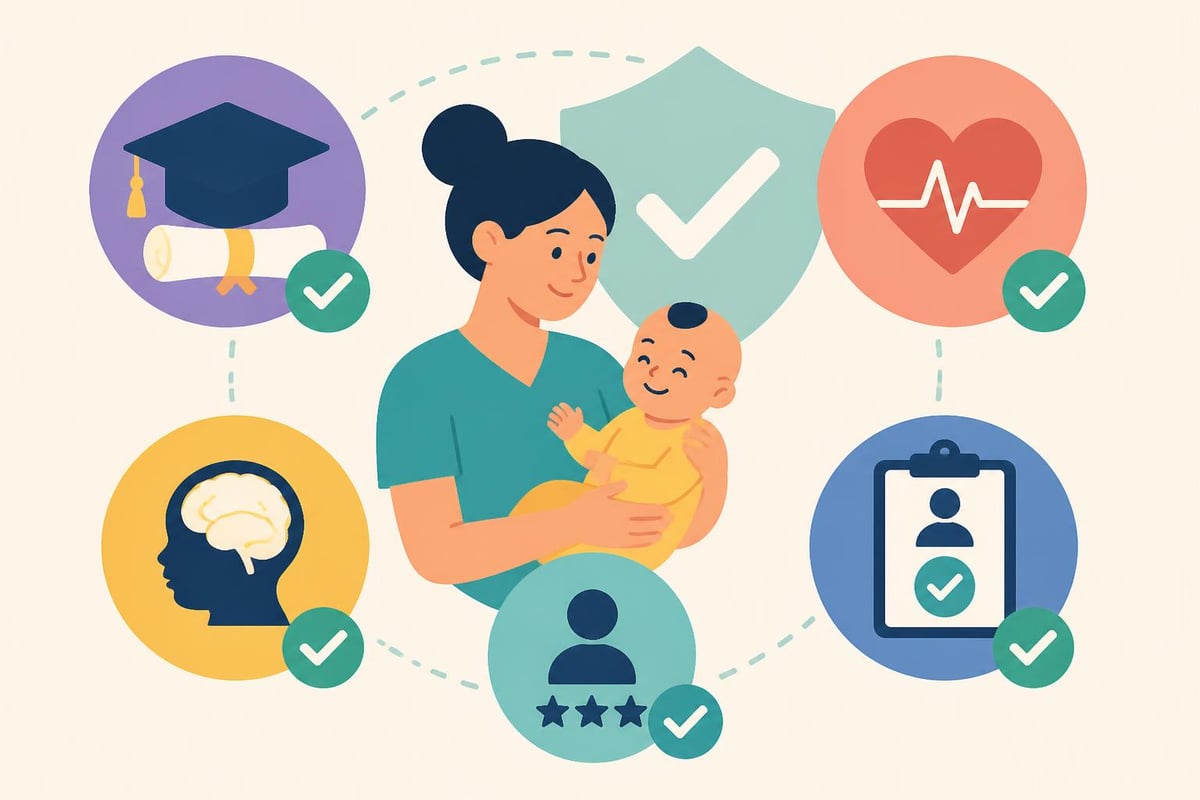
The people caring for your infant matter more than any other factor. Inquire about:
- Educational background in early childhood development
- Years of experience specifically with infants
- Ongoing professional development and training
- Staff turnover rates and tenure of current caregivers
- Background check and screening procedures
High staff turnover disrupts the consistency infants need. Providers with stable, long-term staff typically offer better quality care because caregivers develop deep knowledge of each child's unique needs and temperament.
Daily Routines and Communication
Understanding how your baby's day will unfold helps you assess whether the provider's approach matches your parenting style. Ask about:
- How feeding schedules accommodate individual infant needs
- Sleep arrangements and how providers handle different sleep preferences
- Diaper changing frequency and procedures
- Daily activity plans and developmental stimulation
- Outdoor time and fresh air exposure
Communication between caregivers and parents proves essential with infants who cannot yet verbalize their experiences. Quality providers offer detailed daily reports about feeding, sleeping, diapering, and activities. Some use apps that share photos and real-time updates throughout the day.
Visiting Potential Providers
Online research provides valuable initial screening, but nothing replaces in-person visits. Schedule tours during operating hours when you can observe regular activities and interactions. Many experts recommend visiting potential providers multiple times before making a final decision.
What to Observe
Pay attention to how caregivers interact with babies. Do they respond promptly to crying? Do they talk, sing, and engage with infants during routine care tasks? These moments reveal the quality of emotional nurturing your child will receive.
Notice the physical environment:
- Is the infant area separate from active toddler spaces?
- Are toys age-appropriate, clean, and in good repair?
- Does the room feel calm and organized or chaotic?
- Is lighting natural and pleasant?
- Are there comfortable areas for holding and feeding babies?
Trust your instincts during visits. If something feels off, even if you can't articulate exactly what, that intuition matters. Similarly, you should feel welcomed, and your questions should receive thorough, patient answers.
Red Flags to Watch For
Certain warning signs should immediately disqualify a provider from consideration:
- Reluctance to allow unannounced visits after enrollment
- Unclear or inconsistent answers about policies
- Staff who seem overwhelmed, stressed, or disengaged
- Infants left crying without attention for extended periods
- Outdated equipment or obvious safety hazards
- Defensive responses to reasonable questions
- Licensing violations or pending investigations
Comparing Costs and Value
Infant care typically costs more than care for older children due to required lower ratios and specialized needs. According to 2026 data, average infant care costs range from $800 to $1,500 monthly depending on location and provider type.
| Provider Type | Average Monthly Cost | Typical Hours | Included Services |
|---|---|---|---|
| Home-based care | $800-$1,200 | 8-10 hours/day | Meals, supplies, activities |
| Center-based care | $1,000-$1,500 | 10-12 hours/day | Meals, curriculum, supplies |
| Nanny share | $1,200-$2,000 | Flexible | Varies by agreement |
| In-home nanny | $2,000-$3,500 | Flexible | Varies by agreement |
When evaluating the best day care for infants near me based on cost, consider what's included. Some providers supply all formula, food, diapers, and wipes, while others require parents to provide these items. Calculate the true total cost including supplies, late pickup fees, and registration or enrollment charges.
Financial Assistance Options
Several programs help families afford quality infant care:
- Employer-sponsored FSAs: Set aside pre-tax dollars for dependent care
- Child care subsidies: State programs for qualifying families
- Tax credits: Federal Child and Dependent Care Credit
- Employer partnerships: Some companies negotiate discounted rates with specific providers
Finding quality child care shouldn't be impossible due to cost. Explore all available assistance programs and discuss payment plans with providers who might offer flexibility.
Understanding Licensing and Accreditation
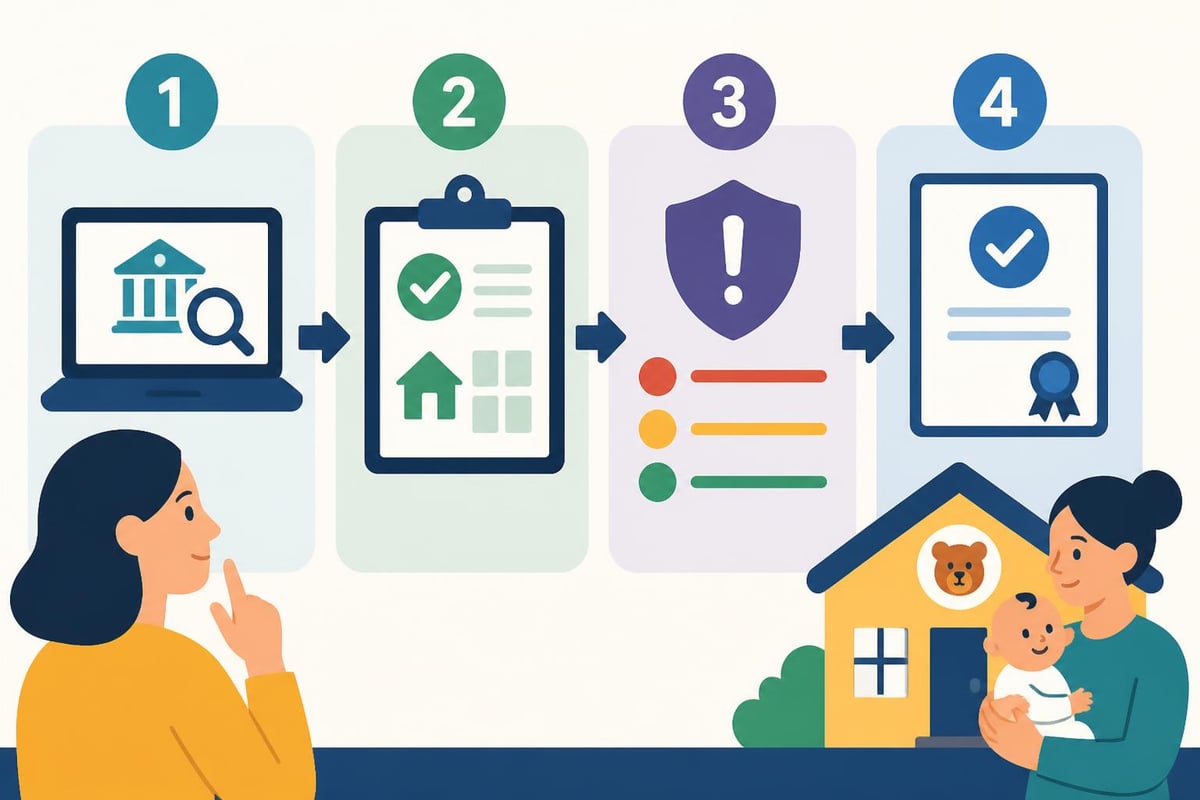
State licensing establishes minimum standards for child care operations. All legal providers must maintain current licenses, but licensing alone doesn't guarantee exceptional care-it confirms basic compliance with safety and operational requirements.
Accreditation from organizations like the National Association for the Education of Young Children (NAEYC) or National Association for Family Child Care (NAFCC) indicates providers have met higher voluntary standards. The accreditation process involves rigorous self-study, quality improvement, and external validation.
Licensing Basics
Each state sets its own licensing requirements, but most include:
- Background checks for all staff and household members
- Minimum training hours in child development and safety
- Safe physical environment meeting building codes
- Appropriate child-to-staff ratios
- Health and immunization policies
- Emergency preparedness plans
Research your state's specific requirements and verify that any provider you're considering holds proper licensing. When searching for the best day care for infants near me through online platforms, filter results to show only licensed providers.
The Transition Process
Once you've selected the best day care for infants near me for your family, plan a thoughtful transition. Sudden changes can stress both babies and parents. Most quality providers encourage a gradual introduction period.
Recommended Transition Timeline
Week 1: Visit for 1-2 hours while you stay
Week 2: Leave for 30-60 minutes, gradually extending
Week 3: Half days with regular drop-off and pickup
Week 4: Full days according to your regular schedule
This approach allows your baby to become familiar with new caregivers, routines, and surroundings while knowing you'll return. It also gives you time to observe care during different parts of the day and address any concerns before committing to a full schedule.
Share detailed information about your baby's habits, preferences, and personality. Create a written profile covering:
- Feeding schedule and amounts
- Sleep cues and preferred routines
- Comfort techniques that work
- Allergies or health considerations
- Favorite activities and toys
The more caregivers know about your infant, the smoother the transition and the more personalized care they can provide.
Building a Partnership With Caregivers
The relationship between parents and care providers significantly impacts your baby's experience. Approach this relationship as a partnership where everyone shares the common goal of supporting your child's wellbeing and development.
Communicate openly and regularly. Share changes at home that might affect your baby's behavior, like sleep disruptions, illness, or family transitions. Similarly, listen when caregivers share observations about your child's development or challenges they've noticed.
Respect professional boundaries while building friendly rapport. Caregivers who feel valued and appreciated often provide even more attentive, enthusiastic care. Simple gestures like thanking them for specific things they've done or bringing occasional small tokens of appreciation strengthen these important relationships.
If concerns arise, address them promptly and constructively. Document specific observations and request a meeting to discuss solutions collaboratively rather than accusatorially. Quality providers welcome parent feedback and work together to resolve issues.
Monitoring Ongoing Quality
Your responsibility doesn't end once you've found the best day care for infants near me and completed enrollment. Continuous monitoring ensures your child continues receiving excellent care as they grow and circumstances change.
Regular Check-ins
Schedule periodic reviews with your provider to discuss your baby's progress, changing needs, and any adjustments to care plans. Most experts recommend formal check-ins quarterly, with informal conversations happening daily or weekly.
Make unexpected visits occasionally. While you shouldn't disrupt the program constantly, dropping by at different times helps you see the full picture of your child's experience. Quality providers welcome parent visits and maintain consistent care whether they expect you or not.
Watch for changes in your baby's behavior that might signal problems. Sudden fear of drop-off, unexplained injuries, regression in development, or changes in eating and sleeping patterns warrant investigation. Sometimes these reflect normal developmental phases, but they might also indicate issues requiring attention.
Special Considerations for Different Family Situations
Every family's search for the best day care for infants near me involves unique circumstances that influence decision-making priorities.
Working Irregular Hours
Parents with non-traditional schedules need providers offering flexible hours. Some home-based providers accommodate evening, overnight, or weekend care. Discuss your specific needs upfront and ensure written agreements clearly specify scheduling arrangements and associated costs.
Multiple Children
Families with both infants and older children often prefer providers serving multiple ages. This arrangement simplifies logistics and can reduce total costs through sibling discounts. However, ensure the provider maintains appropriate attention for infants despite caring for more active older children.
Special Needs
Infants with medical conditions, developmental delays, or other special needs require caregivers with specific training and experience. Ask about providers' background supporting children with similar situations and their willingness to implement care plans developed by medical professionals. For detailed guidance on selecting appropriate care for infants with special considerations, consult specialized resources and your pediatrician.
Making Your Final Decision
After researching, visiting, and evaluating multiple options, you'll need to choose. This decision feels overwhelming because it matters so much, but trust the thorough process you've completed.
Review your notes from each visit. Compare providers across your priority categories:
| Provider Name | Location | Cost | Ratios | Experience | Philosophy Match | Overall Impression |
|---|---|---|---|---|---|---|
| Provider A | ||||||
| Provider B | ||||||
| Provider C |
Sometimes the choice becomes clear when you organize information systematically. Other times, you'll find two or three providers seem equally suitable. In these cases, return to your initial priorities and let your intuition guide you toward the option that feels right.
Remember that finding the best day care for infants near me doesn't mean finding perfection-it means identifying the provider who best meets your family's specific needs and values. No setting will be exactly like home, and that's okay. You're looking for safe, nurturing care that supports your baby's development while giving you peace of mind.
If your first choice lacks immediate availability, don't settle for a significantly inferior option out of desperation. Ask about waitlists, explore temporary alternatives, and use the waiting period to prepare thoroughly for the eventual transition. Starting care a few months later with the right provider beats starting immediately with the wrong one.
Families in the Springfield, VA area looking for top-rated daycares near me have access to several excellent options. Consider exploring local home-based programs that offer the intimate, nurturing environment many parents prefer for their infants.
Selecting infant care requires thorough research, careful observation, and trust in your parental instincts. The effort you invest in finding the best day care for infants near me pays dividends in your baby's safety, development, and happiness during these foundational months. If you're searching for quality home-based infant care that prioritizes individual attention and developmental support, Step by Step Care offers the nurturing environment and experienced caregiving that helps both babies and parents thrive during this important transition.


