

Highly Rated Daycares Near Me: Complete 2026 Guide
Finding quality childcare represents one of the most important decisions parents make. When searching for highly rated daycares near me, families want more than just convenient locations-they need environments where children thrive, learn, and stay safe. The landscape of childcare has evolved significantly, with parents now having access to comprehensive inspection records, parent reviews, and detailed licensing information that makes informed decisions easier than ever. This guide walks you through everything you need to know about identifying, evaluating, and selecting exceptional daycare providers in your community.
Understanding What Makes a Daycare Highly Rated
Ratings for childcare facilities come from multiple sources, each providing valuable insights into different aspects of care quality. State licensing agencies conduct regular inspections and maintain public records of compliance with health and safety regulations. Parent reviews offer firsthand perspectives on day-to-day experiences, communication, and overall satisfaction. Third-party evaluation systems assess educational programming, staff qualifications, and facility standards.
Official Licensing and Inspection Standards
Every state maintains licensing requirements that daycare centers must meet to operate legally. These standards cover critical areas including staff-to-child ratios, background checks, safety protocols, and facility maintenance. When searching for highly rated daycares near me, DaycareScan offers a searchable database of licensed facilities with inspection records sourced directly from government data.
Inspection violations range from minor administrative issues to serious safety concerns. Understanding how to interpret these reports helps parents make informed decisions:
- Critical violations: Issues that pose immediate risk to child safety or health
- Non-critical violations: Administrative or minor maintenance concerns
- Repeat violations: Patterns that suggest systemic problems
- Corrective actions: Steps the facility took to address identified issues

Quality Rating and Improvement Systems (QRIS)
Many states have implemented Quality Rating and Improvement Systems that go beyond basic licensing. These voluntary programs assign star ratings or levels based on enhanced standards for education, staff development, and learning environments. Facilities participating in QRIS programs demonstrate commitment to exceeding minimum requirements.
| QRIS Level | Typical Requirements | What It Means for Your Child |
|---|---|---|
| Level 1 | Meets basic licensing standards | Safe, regulated environment |
| Level 2-3 | Enhanced staff training, curriculum planning | Structured learning activities |
| Level 4-5 | Advanced credentials, comprehensive programs | High-quality educational experience |
How to Start Your Search for Quality Childcare
Beginning your search for highly rated daycares near me requires a systematic approach. Start by defining your specific needs, including location preferences, budget constraints, and care philosophy alignment.
Creating Your Priority List
Different families prioritize different aspects of childcare. Some value proximity to home or work, while others prioritize specific educational philosophies or extended hours. List your non-negotiables versus nice-to-haves:
Essential factors might include:
- Location within a specific radius
- Hours that accommodate your work schedule
- Age-appropriate programming
- Budget constraints
- Specific dietary accommodations
Preferred but flexible factors could be:
- Outdoor play spaces
- Language immersion programs
- Parent involvement opportunities
- Extended care options
Using Online Resources Effectively
Digital tools have transformed how parents research childcare options. Care.com allows users to search for trusted daycares and compare options while reading reviews from other parents. These platforms aggregate information that would otherwise require contacting dozens of individual facilities.
When using online databases, verify that information is current. Contact facilities directly to confirm availability, pricing, and program details before investing time in tours.
Evaluating Safety and Health Standards
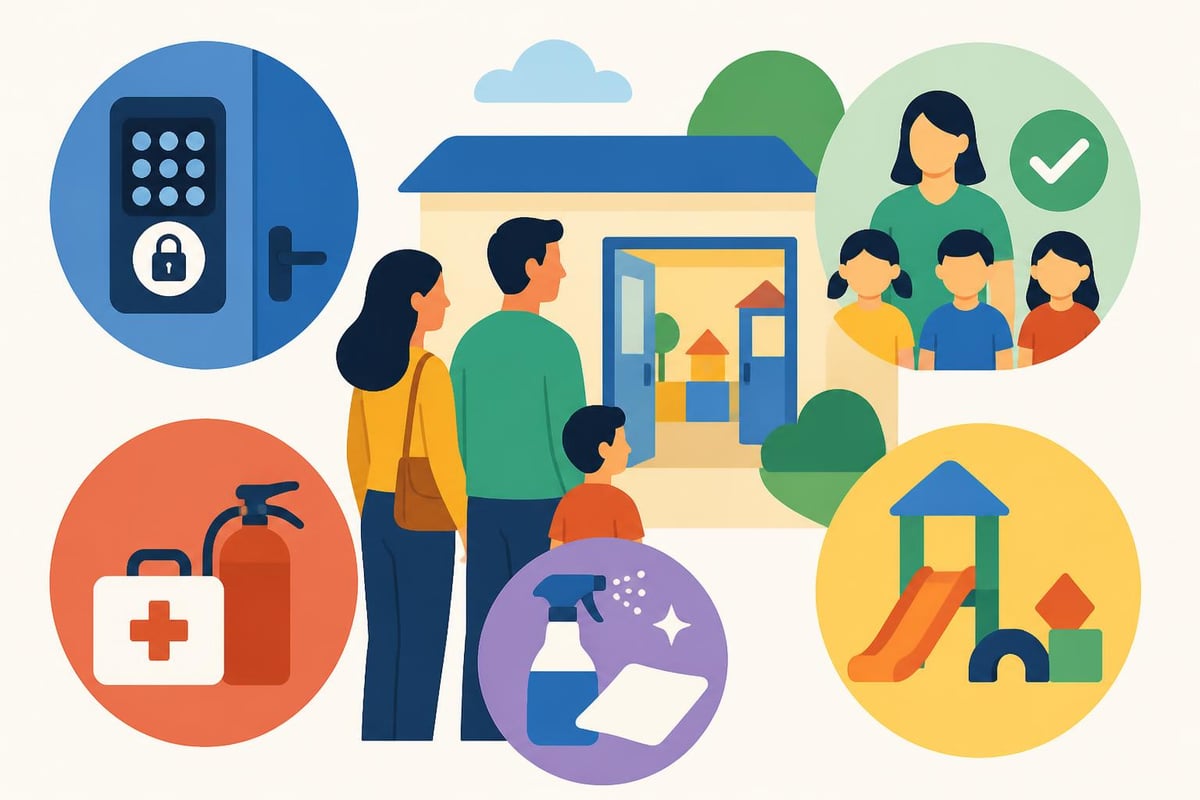
Safety forms the foundation of quality childcare. When touring facilities on your list of highly rated daycares near me, observe both obvious safety features and subtle indicators of a well-maintained environment.
Physical Safety Checklist
Walk through potential facilities with a critical eye for safety measures:
- Secure entry systems that prevent unauthorized access
- Clean, well-maintained equipment appropriate for age groups
- Properly fenced outdoor areas free from hazards
- Emergency exits clearly marked and accessible
- First aid supplies readily available
- Smoke detectors and fire extinguishers visible
The guide to choosing quality childcare from ChildCare.gov emphasizes safety, health, and learning environments as interconnected priorities.
Health and Hygiene Practices
Observe daily routines during your visit. Staff should wash hands regularly, especially before food preparation and after diaper changes. Cleaning schedules should be posted and followed consistently. Ask about illness policies-reputable facilities have clear guidelines about when children must stay home and when they can return after illness.
Assessing Staff Qualifications and Interaction Styles
The people caring for your child matter more than any facility feature. When researching highly rated daycares near me, investigate staff credentials, experience levels, and communication approaches.
Educational Background and Training
Quality childcare providers invest in staff development. Ask about:
- Minimum education requirements for lead teachers
- Ongoing professional development opportunities
- CPR and first aid certification
- Child development coursework or degrees
- Background check procedures
Staff turnover rates reveal important information about workplace culture and management. High turnover disrupts consistency for children and may indicate organizational problems.
Observing Teacher-Child Interactions
During tours, watch how staff members interact with children. Quality caregivers get down to children's eye level, speak respectfully, and respond to individual needs. They redirect behavior positively rather than relying on punishment. Children should appear comfortable approaching staff members and engaging enthusiastically in activities.
| Positive Indicators | Red Flags |
|---|---|
| Teachers engaged in activities with children | Staff primarily on phones or talking amongst themselves |
| Individual attention given to children | Children left unsupervised or ignored |
| Calm, patient responses to challenging behavior | Harsh tones or punitive discipline |
| Children excited to participate | Children appearing anxious or withdrawn |
Understanding Educational Philosophy and Curriculum
Beyond basic care, highly rated daycares near me offer structured learning opportunities that support development across multiple domains. Understanding different educational approaches helps you find the right match for your family's values.
Common Early Childhood Philosophies
Different programs follow distinct pedagogical frameworks:
Play-based learning emphasizes child-directed exploration and discovery through structured play activities. Children develop social skills, creativity, and problem-solving abilities naturally.
Montessori programs provide carefully designed materials that children use independently to build specific skills. This approach promotes self-direction and concentration.
Reggio Emilia-inspired settings view children as capable researchers who learn through projects, collaboration, and documentation of their discoveries.
HighScope curriculum balances adult-guided and child-initiated activities with emphasis on active learning and daily planning.
Ask providers to explain their educational philosophy and show examples of how it translates into daily activities. PatPat presents 20 essential questions covering curriculum, safety, and policies that parents should ask before enrolling.
Age-Appropriate Programming
Quality programs adapt activities to developmental stages. Infant rooms should focus on sensory exploration, responsive caregiving, and language-rich interactions. Toddler environments need spaces for gross motor development and emerging independence. Preschool rooms should balance structured learning with creative play opportunities.
For families with babies, this article discusses considerations specific to infant daycare, including caregiver qualifications and infant care practices that support healthy development during the crucial first year.
Exploring Home-Based Daycare Options
When searching for highly rated daycares near me, don't overlook home-based providers. These smaller settings offer unique advantages that families increasingly value in 2026.
Benefits of Home Childcare Settings
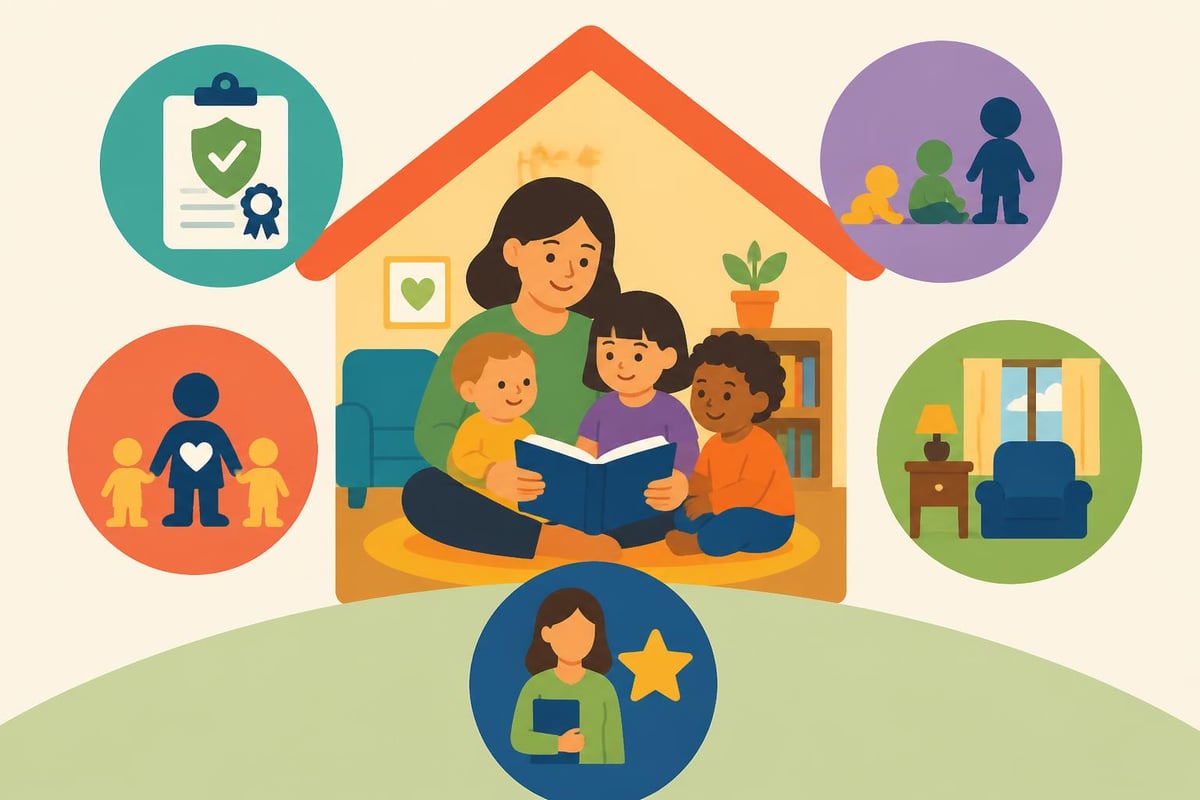
Home daycare environments typically serve fewer children, allowing for more individualized attention and flexible scheduling. Mixed-age groupings mirror family structures, helping children develop nurturing relationships with younger and older peers. Many parents appreciate the homelike atmosphere and consistency of care from a single primary caregiver.
Babylist explores the pros and cons of in-home daycare, offering guidance on finding and evaluating these settings. Home providers often accommodate special dietary needs more easily and may offer more flexible drop-off and pickup times.
Evaluating Home-Based Providers
Home daycare facilities must meet the same licensing standards as larger centers, though requirements vary by state based on the number of children served. When visiting home providers:
- Verify current licensing and inspection records
- Ask about backup care arrangements if the provider is sick
- Confirm that all household members have passed background checks
- Observe the designated childcare areas and available toys
- Discuss emergency preparedness and evacuation plans
At Step by Step Care, the home-based approach creates an intimate learning environment where each child receives personalized attention throughout their developmental journey.
Making the Most of Facility Tours
Once you've narrowed your list of highly rated daycares near me, schedule tours at your top choices. These visits provide irreplaceable insights that online research cannot offer.
What to Look for During Your Visit
Arrive during active hours when children are engaged in typical activities. Notice the general atmosphere-children should appear happy, engaged, and comfortable. The environment should feel organized but not rigid, clean but lived-in.
Key observations include:
- How staff manage transitions between activities
- Whether children have choices in their play and learning
- Communication between teachers and children
- Organization of materials and accessibility for children
- Indoor and outdoor space utilization
Take notes immediately after each visit. Details blur together after touring multiple facilities.
Questions That Reveal Important Information
Prepare specific questions that matter to your family situation. Generic questions yield generic answers, so customize your inquiries:
- How do you communicate with parents about daily activities and concerns?
- What happens if my child has difficulty separating at drop-off?
- How do you handle conflicts between children?
- What is your process for toilet training support?
- Can you describe a typical daily schedule for my child's age group?
Listen carefully to both the content and tone of responses. Quality providers answer confidently and provide specific examples rather than vague generalizations.
Understanding Costs and Financial Assistance
Childcare represents a significant expense for most families. When researching highly rated daycares near me, understanding full costs and available assistance programs helps with realistic budgeting.
Breaking Down Childcare Expenses
Beyond base tuition, consider additional costs:
- Registration and enrollment fees
- Supply fees for diapers, wipes, or classroom materials
- Late pickup charges
- Meals and snacks (included versus additional)
- Extended care rates
- Summer camp or school-break programs
Some facilities offer discounts for siblings, military families, or employees of partner organizations. Ask about all available savings opportunities.
Financial Assistance Options in 2026
Multiple programs help families afford quality childcare:
Childcare subsidies: State programs assist eligible low-income families with childcare costs. Requirements and benefit amounts vary by location and family size.
Employer benefits: Some companies offer childcare stipends, flexible spending accounts, or partnerships with local providers.
Tax credits: The federal Child and Dependent Care Credit allows families to claim qualifying childcare expenses on tax returns.
Sliding scale fees: Some providers adjust rates based on family income to ensure accessibility.
Research eligibility requirements early, as subsidy programs often have waiting lists or application deadlines.
Reading and Interpreting Reviews
Parent reviews provide valuable perspectives when searching for highly rated daycares near me, but interpreting them requires discernment. Not all reviews carry equal weight or relevance to your specific needs.
Identifying Useful Reviews
Look for detailed reviews that describe specific experiences rather than vague praise or complaints. Reviews mentioning staff names, particular situations, or how the facility handled challenges offer more credibility than generic statements.
Consider the reviewer's priorities and whether they align with yours. A parent upset about strict pickup times might actually reassure you about the facility's adherence to schedules and policies.
Using Multiple Review Sources
Cross-reference reviews across platforms. DaycareCheck provides safety grades and inspection reports for over 91,000 facilities, helping parents assess health, safety, staffing, and compliance standards alongside parent feedback. A pattern of concerns across multiple sources deserves serious attention, while isolated negative reviews may reflect individual circumstances.
Pay attention to how facilities respond to negative reviews. Professional, constructive responses demonstrate accountability and commitment to improvement.
Trusting Your Instincts
Data, reviews, and checklists provide essential information, but your intuition matters when selecting from highly rated daycares near me. Parents often describe knowing when they've found the right fit.
Red Flags That Warrant Concern
Some warning signs should disqualify a facility regardless of ratings or convenience:
- Reluctance to allow unscheduled visits after enrollment
- Inability to provide current licensing documentation
- Staff who seem overwhelmed or disengaged
- Unclear answers about policies or procedures
- Facility that feels chaotic or unsafe
- Dismissive responses to your questions or concerns
Trust concerns that persist even when you can't articulate specific reasons. Your comfort and confidence matter for successful childcare partnerships.
Green Lights That Signal Quality
Positive indicators create confidence in your choice:
- Warm welcome from staff who remember your name
- Children engaged in varied, age-appropriate activities
- Clean, organized environment with visible safety measures
- Open communication about philosophy and practices
- Flexibility in accommodating your visit schedule
- Current families who speak enthusiastically about their experiences
Visit your top choices multiple times if possible, including different days and times. Consistency across visits confirms that what you observe represents typical operations rather than a showcase for prospective families.
Preparing for the Transition
Once you've selected from your researched highly rated daycares near me, thoughtful preparation eases the transition for everyone. Starting childcare represents a significant change, especially for very young children.
Easing Separation Anxiety
Gradual transitions work better than abrupt changes. Many quality programs offer phase-in schedules where parents stay for part of the first few days, then gradually extend time apart. This approach helps children build comfort with new caregivers and environments.
Strategies that support adjustment:
- Visit the facility together several times before the start date
- Establish consistent goodbye routines
- Bring a comfort item from home
- Maintain predictable drop-off and pickup times
- Trust caregivers to comfort your child after you leave
Most children adjust within two weeks, though individual timelines vary. Maintain communication with providers about how your child is settling in.
Building Partnership with Providers
Quality childcare works best as a collaboration between families and providers. Share important information about your child's personality, preferences, routines, and any special needs. Communicate openly about expectations and concerns.
Participate in available parent engagement opportunities. Events, volunteer occasions, and parent committees strengthen the connection between home and childcare settings. Step by Step Care showcases how families become part of the learning community through shared experiences.
Regular communication maintains strong partnerships. Whether through daily reports, apps, or conversations at pickup, staying informed about your child's days helps you support learning at home and address concerns early.
Continuing to Evaluate Your Choice
Finding highly rated daycares near me isn't a one-time decision. Ongoing assessment ensures the facility continues meeting your child's evolving needs and maintaining quality standards.
Regular Check-ins with Your Child
As children develop language skills, ask open-ended questions about their days. Rather than "Did you have fun?" which typically yields one-word answers, try "What did you play today?" or "Who did you sit with at lunch?"
Watch for changes in behavior that might indicate concerns. Sudden reluctance to attend, regression in skills, or withdrawal could signal problems requiring investigation.
Monitoring Quality Indicators
Stay informed about licensing inspections and any reported violations. Review updated inspection reports annually at minimum. Attend parent meetings and read facility communications to understand policy changes or staff transitions.
Notice whether the initial qualities that attracted you remain consistent. Staff turnover, facility maintenance, or communication patterns that change significantly warrant conversations with administrators.
For comprehensive guidance on maintaining quality childcare partnerships, Baby Chick offers tips on finding good daycare and nurturing these important relationships over time.
Selecting quality childcare requires research, observation, and trusting your parental instincts to find environments where children flourish. By evaluating licensing records, safety standards, educational approaches, and staff qualifications, you can confidently choose among highly rated daycares near me that align with your family's values and needs. If you're searching for nurturing home-based care that provides individualized attention and a warm learning environment, explore what Step by Step Care offers families seeking exceptional early childhood experiences.


