

Best Day Cares: Finding Quality Care for Your Child
Choosing the right care environment for your child ranks among the most important decisions you'll make as a parent. Quality child care shapes early development, influences social skills, and provides the foundation for future learning. Finding the best day cares requires understanding what separates exceptional programs from average ones, knowing which questions to ask, and recognizing the signs of a nurturing, safe environment where children thrive.
What Defines the Best Day Cares
The best day cares share common characteristics that set them apart from standard facilities. These programs prioritize child development, maintain rigorous safety standards, and employ qualified caregivers who genuinely invest in each child's growth.
Licensing and Credentials
Proper licensing serves as the foundation for any quality care facility. High-quality day care centers meet state requirements for safety, health standards, and staff qualifications. When evaluating potential programs, verify that providers maintain current licenses and display them prominently.
Beyond basic licensing, look for additional accreditations that demonstrate commitment to excellence:
- National Association for the Education of Young Children (NAEYC) accreditation
- National Association for Family Child Care (NAFCC) certification
- State-specific quality rating systems
- Regular health and safety inspections with publicly available records
Staff Qualifications and Training
The people caring for your child matter more than any facility feature. The best day cares employ educators with formal training in early childhood development, not just individuals who enjoy working with children.
Key staff qualifications include:
- Early childhood education degrees or certifications
- CPR and first aid training
- Background checks and ongoing safety training
- Continuing education requirements
- Low staff turnover rates
High staff turnover disrupts relationships children form with caregivers and often signals underlying problems with management or working conditions. According to research on identifying great day cares, programs with stable, experienced teams provide more consistent care and better developmental outcomes.

Evaluating Program Quality and Curriculum
Educational approach separates the best day cares from facilities offering only basic supervision. Quality programs implement developmentally appropriate curricula that balance structured learning with free play.
Age-Appropriate Learning Activities
Exceptional programs tailor activities to each age group's developmental stage. Infants need sensory exploration and one-on-one attention, while toddlers require opportunities for language development and motor skill practice. Preschoolers benefit from pre-literacy activities, social-emotional learning, and hands-on exploration.
The curriculum should include:
- Daily schedules that balance active and quiet times
- Indoor and outdoor play opportunities
- Age-appropriate learning materials
- Small group activities that encourage social interaction
- Individual attention from caregivers
Home-based programs like those offering in-home childcare often provide more flexible, family-like environments with mixed-age groups that mirror sibling relationships.
Communication and Parent Involvement
Strong parent-provider communication distinguishes superior programs. The best day cares maintain open dialogue through daily reports, regular conferences, and accessible staff who welcome questions and concerns.
| Communication Method | Frequency | Purpose |
|---|---|---|
| Daily reports | Each day | Activities, meals, naps, mood |
| Parent-teacher conferences | Quarterly | Development milestones, goals |
| Progress assessments | Bi-annually | Formal developmental evaluations |
| Open-door policy | Ongoing | Unannounced visits, questions |
Safety and Health Standards
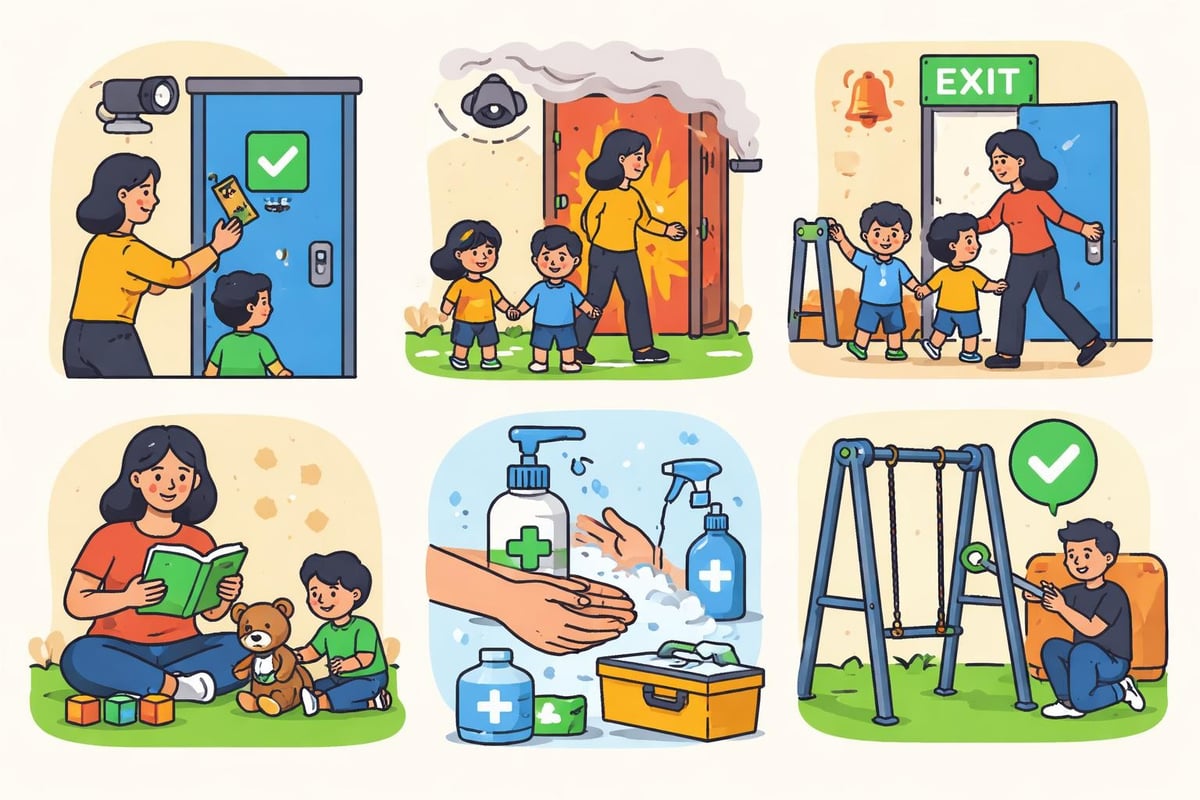
Nothing matters more than your child's physical safety and wellbeing. The best day cares implement comprehensive safety protocols and maintain pristine environments.
Facility Safety Features
When touring potential facilities, evaluate these critical safety elements:
- Secure entry systems preventing unauthorized access
- Age-appropriate equipment in good repair
- Fenced outdoor play areas free from hazards
- Properly stored cleaning supplies and medications
- Emergency evacuation plans and regular drills
- Adequate supervision ratios for each age group
Finding safe and suitable day care requires thorough inspection of both obvious and subtle safety features. Don't hesitate to ask detailed questions about procedures during your visit.
Health and Hygiene Practices
Disease prevention becomes paramount when children gather in group settings. Superior programs maintain strict hygiene standards including:
- Regular handwashing protocols for children and staff
- Daily cleaning and sanitizing of toys and surfaces
- Clear sick child policies
- Proper diaper changing procedures
- Food safety practices for meal preparation
The Importance of Environment and Atmosphere
Physical space impacts how children learn and interact. The best day cares create welcoming, organized environments that stimulate curiosity while maintaining order.
Indoor Learning Spaces
Quality facilities organize indoor areas into distinct learning centers that encourage exploration. Well-designed classrooms include:
- Reading corners with age-appropriate books
- Art stations with varied materials
- Dramatic play areas for imagination
- Block building zones for spatial development
- Science and sensory exploration tables
Natural lighting, appropriate temperature control, and manageable noise levels contribute to comfortable learning environments. Visit the gallery to see examples of thoughtfully designed child care spaces.
Outdoor Play Areas
Outdoor time supports physical development, vitamin D exposure, and energy release. The best day cares provide:
- Age-appropriate playground equipment
- Shaded areas for summer play
- Varied terrain for gross motor development
- Garden spaces for nature exploration
- Adequate space for active games
Understanding Different Care Models
The best day cares come in various formats, each offering distinct advantages. Understanding these differences helps you identify the right fit for your family.
Center-Based Programs
Large child care centers typically serve dozens of children with multiple classrooms organized by age. These facilities offer:
- Extensive resources and equipment
- Specialized teachers for different age groups
- Structured curricula and schedules
- Consistent backup coverage
- Clear administrative procedures
Family Child Care Homes
Home-based programs care for smaller groups in residential settings. These intimate environments provide:
- Family-like atmosphere with mixed-age groups
- Flexible scheduling options
- Lower child-to-caregiver ratios
- Personalized attention
- Home-cooked meals
Learning about home childcare options helps parents understand the benefits of smaller, more intimate settings where children receive individualized attention.
Red Flags to Avoid
Recognizing warning signs protects your child from inadequate care. Common issues to avoid when choosing day care include insufficient supervision, poor communication, and unclear policies.
Warning Signs During Your Visit
Trust your instincts when touring facilities. Walk away if you notice:
- Reluctance to answer questions or provide references
- Overcrowded classrooms with insufficient staff
- Unhappy or unsupervised children
- Dirty facilities or broken equipment
- Lack of posted licenses or certifications
- Unwillingness to allow unannounced visits
Policy and Procedure Concerns
The best day cares maintain clear, written policies covering:
| Policy Area | What to Expect |
|---|---|
| Enrollment | Clear contracts, payment terms, withdrawal procedures |
| Illness | Specific symptoms requiring home care, medication policies |
| Discipline | Positive guidance approaches, never physical punishment |
| Emergency | Detailed procedures for injuries, natural disasters, evacuations |
| Communication | Regular updates, conference schedules, complaint procedures |
Vague or inconsistent policies suggest disorganization that may affect care quality.
Making Your Decision
After researching options and touring facilities, synthesizing information helps you make confident choices. The best day cares align with your family's values, schedule, and budget while meeting high-quality standards.
Creating Your Evaluation Checklist
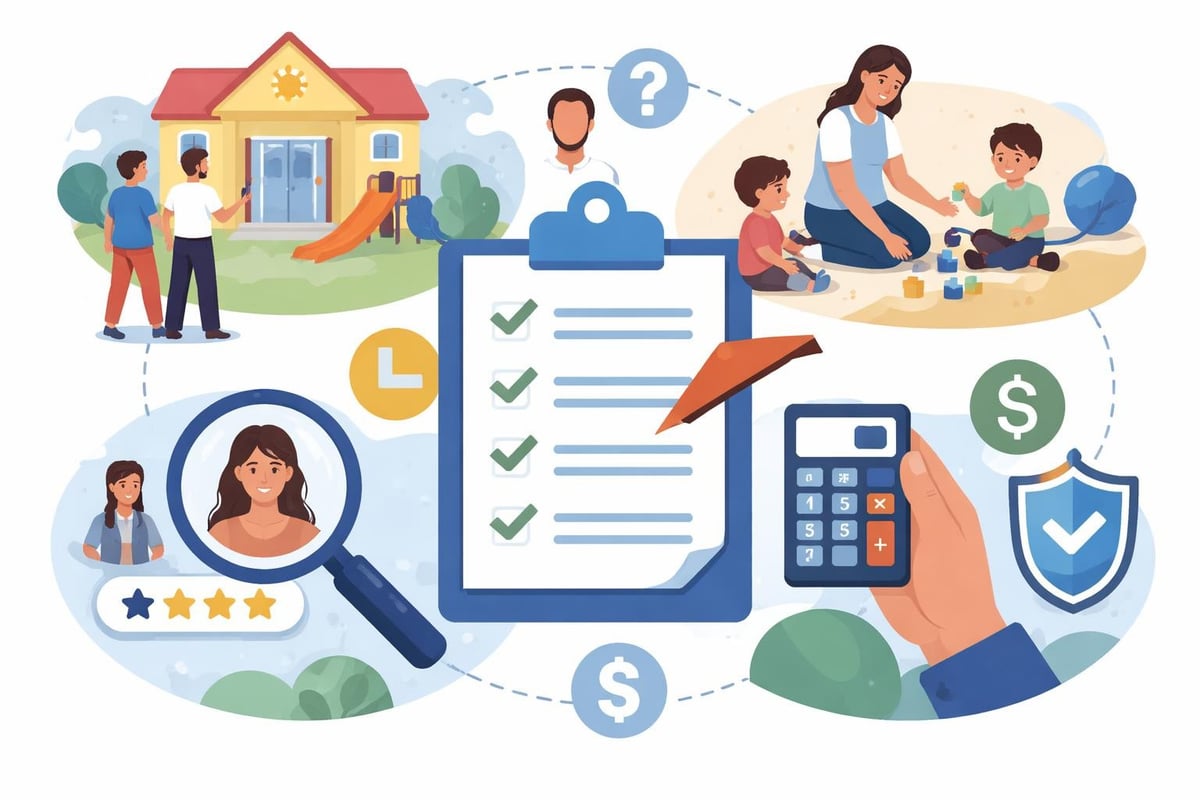
Develop a systematic approach to comparing options:
- Schedule tours at different times to observe varied activities
- Bring a written list of questions
- Request and check references from current families
- Review parent reviews to understand real experiences
- Compare costs and understand what's included
Trust Your Observations
Pay attention to interactions between caregivers and children during your visit. Do staff members get down to children's eye level? Do they speak warmly and respond to individual needs? Are children engaged and happy?
Watch how providers handle transitions, conflicts, and routine activities. These unscripted moments reveal program quality better than prepared presentations.
Financial Considerations and Value
Cost factors significantly into day care decisions, but the cheapest option rarely provides the best value. The best day cares justify their pricing through qualified staff, comprehensive programs, and superior facilities.
Understanding Pricing Structures
Day care costs vary widely based on:
- Geographic location and local market rates
- Age of your child (infant care typically costs more)
- Full-time versus part-time enrollment
- Additional services like meals, transportation, or extended hours
- Program quality and staff qualifications
Research options for paying for early childhood education to understand available assistance programs and tax benefits that offset costs.
Calculating True Value
When comparing programs, consider the complete package rather than just tuition. Factor in:
- Included meals and snacks
- Educational materials and supplies
- Special activities or field trips
- Extended hours or flexibility
- Vacation and sick day policies
A slightly higher price often delivers substantially better value through comprehensive services, experienced staff, and superior learning environments.
Questions to Ask During Tours
Preparation ensures you gather essential information during facility visits. Choosing appropriate child care services requires asking targeted questions about daily operations, philosophies, and policies.
Essential Questions About Operations
Daily routine and structure:
- What does a typical day look like for my child's age group?
- How do you handle naps, meals, and outdoor time?
- What's your approach to potty training and developmental milestones?
Staff and supervision:
- What are staff qualifications and experience levels?
- What's your staff-to-child ratio for each age group?
- How do you handle staff absences and ensure continuity?
Communication and involvement:
- How often will I receive updates about my child's day?
- What opportunities exist for parent involvement?
- How do you handle concerns or complaints?
Questions About Philosophy and Approach
Understanding educational philosophy ensures alignment with your parenting values. Ask about:
- Discipline and behavior guidance methods
- Approach to early learning and school readiness
- How individual learning styles and needs are accommodated
- Integration of cultural diversity and inclusion
The Role of Consistency and Routine
Young children thrive on predictability. The best day cares establish consistent routines that provide security while remaining flexible enough to accommodate individual needs.
Benefits of Structured Schedules
Regular daily rhythms help children:
- Develop self-regulation skills
- Anticipate transitions between activities
- Build healthy habits around meals, rest, and play
- Feel secure in knowing what comes next
Review the daycare daily schedule to understand how quality programs balance structure with spontaneity.
Balancing Routine with Flexibility
While consistency matters, rigid schedules that ignore individual needs create stress. Superior programs adapt routines for:
- Different developmental stages and temperaments
- Seasonal changes and weather conditions
- Special events and learning opportunities
- Individual sleep and eating patterns
Building Strong Provider Relationships
The partnership between parents and caregivers significantly impacts children's experiences. The best day cares foster collaborative relationships built on mutual respect, trust, and shared commitment to each child's wellbeing.
Successful partnerships require:
- Regular, honest communication about observations and concerns
- Consistency between home and care environments
- Respect for provider expertise while advocating for your child
- Participation in program events and activities
- Prompt payment and adherence to policies
Visiting the about us page of prospective providers helps you understand their philosophy and approach to family partnerships.
Transitioning Your Child
Even the best day cares require adjustment periods as children adapt to new environments, caregivers, and routines. Successful transitions happen gradually with support from both parents and providers.
Preparing for the First Day
Start preparation weeks before enrollment:
- Visit the facility multiple times with your child
- Maintain consistent home routines during the transition
- Read books about starting day care
- Practice separation in low-stress situations
- Share information about your child's preferences and habits
Supporting Ongoing Adjustment
Initial tears and resistance are normal. Most children adapt within two to four weeks when parents and providers work together. Stay positive, maintain consistent drop-off routines, and communicate regularly with caregivers about your child's adjustment.
Continuing Quality Assessment
Finding the best day cares isn't a one-time decision. Ongoing evaluation ensures your child continues receiving appropriate care as they grow and develop.
Regular Check-Ins
Schedule periodic reviews to discuss:
- Developmental progress and emerging skills
- Social relationships with peers and caregivers
- Challenges or concerns about behavior or learning
- Alignment between home and care environments
When to Reassess
Consider exploring new options if you observe:
- Declining enthusiasm about attending
- Regression in developmental skills or behavior
- Poor communication from providers
- Safety concerns or policy violations
- Significant changes in staff or program structure
Trust your instincts. If something feels wrong, investigate further and don't hesitate to make changes that better serve your child.
Selecting quality care for your child requires careful research, thoughtful evaluation, and trust in your observations and instincts. The best day cares combine qualified staff, safe environments, developmentally appropriate curricula, and strong family partnerships to support children's growth during crucial early years. At Step by Step Care, we understand the trust parents place in child care providers and work diligently to create nurturing environments where children thrive. Contact us today to learn how our home-based program can provide the individualized attention and quality care your family deserves.


