

US Childcare: Costs, Access & Solutions for Families
The landscape of us childcare continues to evolve rapidly as American families navigate unprecedented challenges in securing affordable, quality care for their children. With costs climbing steadily and access remaining uneven across regions, parents face difficult decisions that impact their careers, finances, and family well-being. Understanding the current state of childcare in America requires examining multiple factors, from economic pressures to policy shifts that shape how families access essential services.
The Rising Cost Crisis in US Childcare
Financial strain represents one of the most pressing concerns for families seeking childcare solutions in 2026. The U.S. Census Bureau discusses the rising costs of childcare services and their implications for working parents, revealing data that shows childcare expenses continue to outpace inflation and wage growth in most metropolitan areas.
Key cost factors affecting families include:
- Provider operational expenses including staffing, facility maintenance, and licensing requirements
- Regional economic conditions that drive pricing variations
- Quality standards and educational programming that increase overhead
- Limited competition in underserved areas allowing higher pricing
- Insurance and liability costs that providers must cover
The financial burden extends far beyond monthly tuition payments. According to Care.com’s annual report highlighting the financial strain of rising childcare costs, many American families now allocate more than 20% of their household income to childcare expenses, significantly depleting savings and limiting financial flexibility.
Breaking Down Regional Cost Variations
Geographic location plays a substantial role in determining childcare accessibility and pricing. Urban centers typically face higher costs due to real estate expenses, while rural areas struggle with provider shortages that limit options for families.
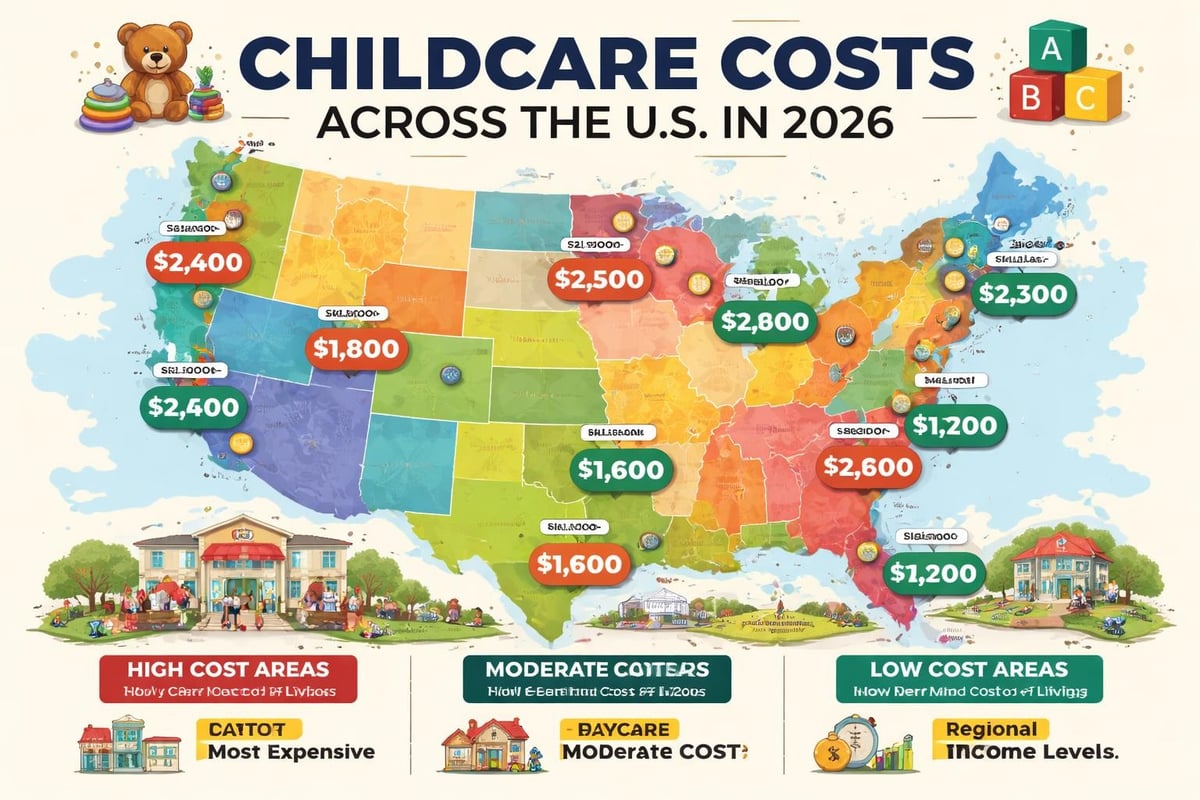
| Region Type | Average Monthly Cost | Provider Availability | Wait List Duration |
|---|---|---|---|
| Major Metro | $1,800-$2,500 | Moderate | 6-12 months |
| Suburban | $1,400-$2,000 | Good | 3-6 months |
| Rural | $900-$1,400 | Limited | Immediate to 3 months |
| Small Cities | $1,200-$1,700 | Moderate | 3-9 months |
These variations create significant inequities in access to quality care. The Federal Reserve Bank of Chicago examines childcare access and affordability in their district, revealing patterns that mirror national trends where middle-income families often struggle most, earning too much for subsidies yet facing substantial financial pressure.
Policy Changes Reshaping US Childcare
Legislative initiatives at both state and federal levels continue to address the childcare crisis through various approaches. Recent policy developments demonstrate growing recognition of childcare as essential infrastructure for economic stability.
Alabama’s legislative approval of tax breaks for businesses that assist employees with childcare costs represents innovative state-level solutions. This approach incentivizes employer participation in addressing workforce childcare challenges while providing tax relief to companies investing in family-friendly benefits.
Federal regulatory changes also impact how us childcare operates on practical levels. The U.S. Department of Health and Human Services’ revision of childcare payment rules reinstating attendance-based billing affects providers and families by modifying reimbursement structures for subsidized care programs.
Recent policy developments include:
- Enhanced tax credits for childcare expenses
- Increased funding for state subsidy programs
- Regulatory streamlining for home-based providers
- Workforce development initiatives for childcare professionals
- Facility improvement grants for providers
These changes reflect evolving understanding of childcare's role in economic participation and child development. However, implementation varies significantly across states, creating uneven benefits for families depending on their location.
Home-Based Childcare as a Viable Solution
Home childcare providers like Step by Step Care offer distinct advantages that address many concerns families face in the current us childcare environment. This model provides personalized attention in intimate settings that larger centers cannot replicate.
Advantages of Home-Based Care
Smaller group sizes enable providers to develop deeper relationships with children and families. This individualized approach supports developmental milestones more effectively while maintaining the flexibility many modern families require.
Home environments often feel more comfortable for young children, reducing separation anxiety and creating smoother transitions from home to care settings. The familiar, residential atmosphere can be particularly beneficial for infants and toddlers adjusting to time away from parents.
Benefits families experience with home childcare:
- Lower child-to-provider ratios ensuring individualized attention
- Flexible scheduling accommodating non-traditional work hours
- Multi-age groupings promoting social development
- Home-cooked meals tailored to dietary needs
- Stable, consistent caregiving relationships
- Often more affordable than center-based options
Cost considerations make home-based care attractive for budget-conscious families. Without the overhead expenses of large facilities, home providers can often offer competitive rates while maintaining quality standards that meet or exceed center-based alternatives.

Evaluating Quality and Making Informed Choices
Selecting appropriate childcare requires careful assessment of multiple factors beyond cost alone. Parents must balance practical considerations with quality indicators that ensure children's safety, development, and wellbeing.
Essential Quality Indicators
Licensing and certification provide baseline assurance that providers meet regulatory requirements. However, families should investigate beyond minimum standards to understand providers' educational philosophies, experience, and approach to child development.
Communication practices reveal how providers partner with families. Regular updates, open-door policies, and responsive feedback mechanisms indicate providers who value parental involvement and transparency.
| Quality Factor | What to Look For | Questions to Ask |
|---|---|---|
| Safety | Current licenses, childproofing, emergency plans | How are emergencies handled? What safety training do you have? |
| Curriculum | Age-appropriate activities, developmental focus | What does a typical day look like? How do you support learning? |
| Experience | Years in operation, professional development | What is your background? Do you pursue ongoing training? |
| References | Parent testimonials, retention rates | May I speak with current families? How long do families typically stay? |
Visiting parent reviews and speaking with current families provides invaluable insights into daily operations and provider relationships. These firsthand accounts often reveal details not apparent during initial tours or consultations.
The True Cost of Raising Children in 2026
Childcare represents just one component of the broader financial picture of raising children in America. SmartAsset’s study analyzing the annual costs of raising a child across major metropolitan areas provides detailed breakdowns showing childcare typically constitutes the largest single expense category for families with young children.
Total annual costs include housing, food, transportation, healthcare, and education expenses that compound over time. In many markets, childcare costs exceed college tuition at state universities, representing a substantial long-term investment that impacts family planning decisions.
Major expense categories for child-rearing:
- Childcare and education (highest for ages 0-5)
- Housing (additional space requirements)
- Food and nutrition
- Healthcare and insurance
- Clothing and personal items
- Transportation and safety equipment
- Entertainment and enrichment activities
Understanding these comprehensive costs helps families plan realistically and make informed decisions about childcare options that fit within overall household budgets. Some families opt for one parent to reduce work hours or exit the workforce temporarily, while others prioritize affordable us childcare solutions that enable both parents to maintain careers.
Access Challenges and Equity Concerns
Availability issues extend beyond cost, with many communities facing genuine shortages of licensed childcare slots. Wait lists stretching months or even years force families to make arrangements before children are born, creating stress and uncertainty.
Legal and policy debates continue addressing equity in childcare access. A federal judge’s nationwide injunction blocking a policy that aimed to exclude undocumented children from the Head Start program highlights ongoing legal challenges regarding who qualifies for federally-funded childcare assistance.
Childcare Deserts and Rural Challenges
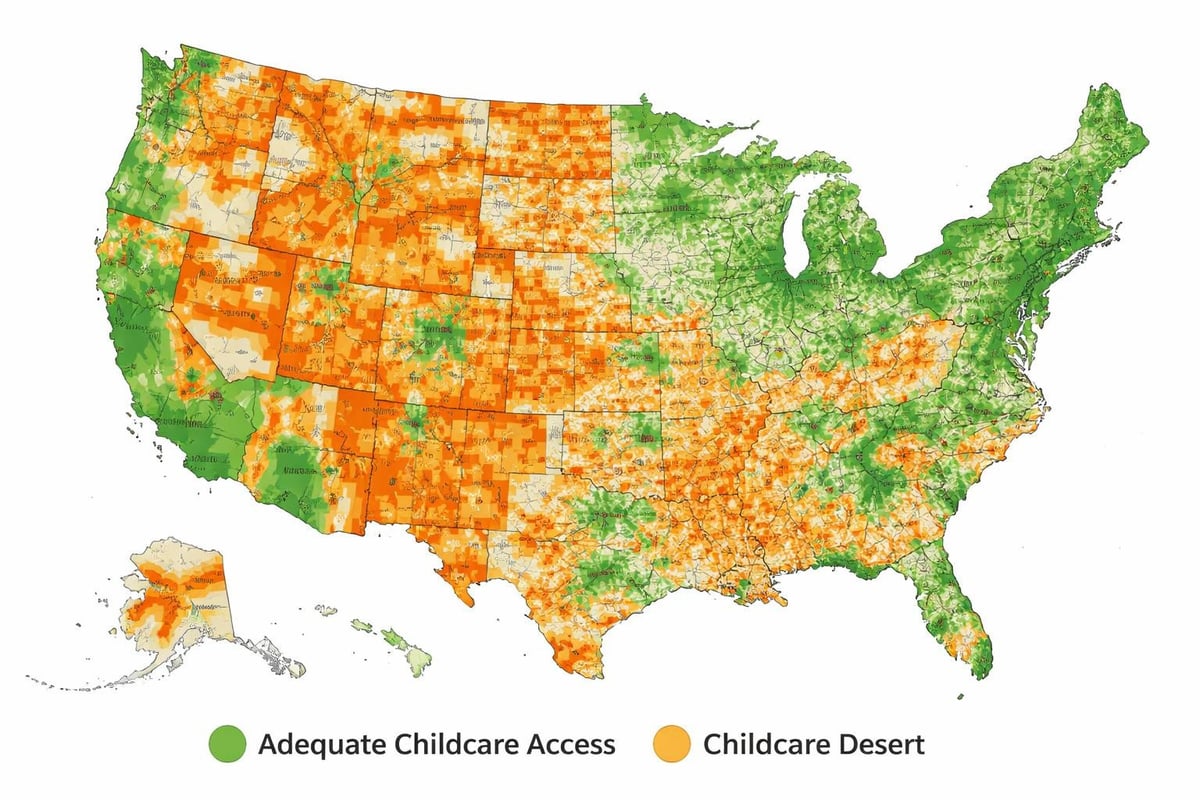
Communities classified as childcare deserts have insufficient licensed capacity to meet local demand. Rural areas particularly struggle with provider recruitment and retention due to lower population density making operations financially challenging.
Transportation barriers compound access issues when the nearest provider operates miles from families' homes or workplaces. This geographic limitation forces impossible choices between quality care and practical logistics.
Supporting Childcare Professionals
The us childcare workforce faces unique challenges including low wages, limited benefits, and high emotional demands. Improving compensation and working conditions for childcare professionals represents critical infrastructure investment that benefits entire communities.
Professional development opportunities help providers enhance skills and stay current with best practices in early childhood education. Organizations offering ongoing training demonstrate commitment to quality improvement and staff growth.
Workforce challenges affecting childcare quality:
- Average wages below living wage thresholds in most markets
- High turnover rates disrupting continuity for children
- Limited access to health insurance and retirement benefits
- Emotional and physical demands of caregiving work
- Regulatory compliance requiring time and resources
Programs like those at Step by Step Care that invest in staff development and competitive compensation create more stable environments where children benefit from experienced, committed caregivers. These investments ultimately enhance outcomes for families seeking reliable, quality care.
Building Community Support Networks
Successful childcare arrangements often involve broader support systems beyond individual providers. Parent networks, family assistance, and community resources combine to create resilient solutions addressing gaps in formal childcare systems.
Informal arrangements including family members, neighbors, and parent cooperatives supplement or replace traditional childcare for many families. While these alternatives offer flexibility and trust, they may lack the structure and developmental programming licensed providers offer.
Community initiatives including employer-sponsored childcare, shared spaces, and cooperative models demonstrate innovative approaches to the ongoing us childcare crisis. These collaborations leverage resources more efficiently while maintaining quality standards families require.
Finding the right balance between cost, quality, and convenience requires persistence and often creative problem-solving. Families increasingly combine multiple care arrangements, utilizing home providers for primary care while supplementing with preschool programs, family help, and flexible work arrangements.
Navigating the complex landscape of us childcare in 2026 requires understanding cost factors, quality indicators, and available options that fit your family's unique circumstances. Whether you prioritize intimate home settings, structured educational programs, or flexible scheduling, informed decision-making ensures your children receive nurturing care supporting their development. Step by Step Care provides personalized home childcare combining affordability with quality attention, creating stable environments where children thrive while parents maintain career commitments with confidence and peace of mind.


